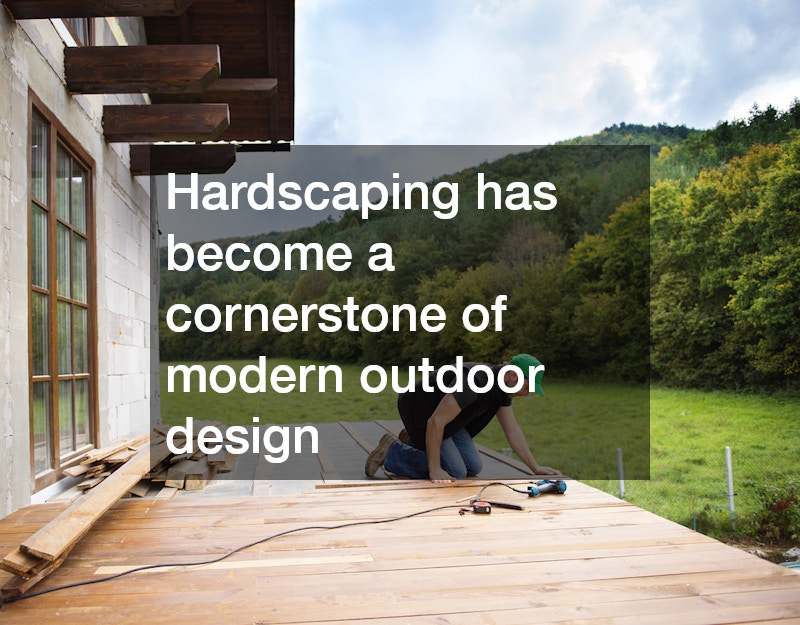
Hardscaping has become a cornerstone of modern outdoor design, offering homeowners a practical way to enhance both the appearance and usability of their yards. While traditional landscaping focuses on plants and greenery, hardscaping introduces structural elements that create definition, purpose, and long-term value. Whether you are looking to build a relaxing retreat or an entertainment-ready backyard, hardscaping provides the framework to make it happen. Understanding its benefits and planning considerations can help you make informed decisions that deliver lasting results.
What Are the Benefits of Hardscaping?
Enhanced Aesthetic Appeal
One of the most immediate advantages of hardscaping is its ability to elevate the visual appeal of your outdoor space. Features like patios, walkways, fire pits, and retaining walls add dimension and structure, breaking up large expanses of lawn and creating focal points.
When thoughtfully designed, these elements complement your home’s architecture and tie the entire landscape together.
Incorporating decorative hardscaping elements such as patterned pavers, stone borders, or textured finishes can further enhance the overall design. These details add character and sophistication, transforming a basic yard into a cohesive and visually engaging environment.
Increased Property Value
Hardscaping is not just an aesthetic upgrade—it is also a strategic investment. A well-executed hardscape design can significantly increase your property’s market value. Prospective buyers often look for outdoor spaces that are both functional and attractive, and hardscaped areas deliver on both fronts.
Features like outdoor kitchens, seating areas, and defined pathways signal that the space has been carefully planned and maintained. This perceived value can translate into higher resale prices and faster sales, making hardscaping a smart long-term decision.
Low Maintenance Requirements
Compared to traditional landscaping, hardscaping requires far less ongoing maintenance. Lawns and gardens demand regular watering, mowing, fertilizing, and pest control. Hardscape elements, on the other hand, are designed to withstand the elements with minimal upkeep.
Materials like stone, concrete, and composite decking are durable and resistant to weather-related wear and tear. Once installed, they typically require only occasional cleaning or minor repairs. This makes hardscaping an ideal solution for homeowners seeking a low-maintenance outdoor space without sacrificing style.
Improved Functionality
Beyond aesthetics and maintenance, hardscaping significantly improves how you use your yard. By creating defined zones, you can transform an open space into a multi-functional environment tailored to your lifestyle. A patio can serve as a dining area, a fire pit can become a gathering spot, and pathways can improve accessibility throughout the yard.
This intentional use of space not only enhances daily enjoyment but also makes it easier to host guests and accommodate different activities. Hardscaping essentially turns your yard into an extension of your home.
How Do I Plan for a Hardscape Project?
Assessing Your Space
Effective hardscape design begins with a thorough assessment of your property. This includes evaluating the size and shape of your yard, as well as its topography. Sloped areas, drainage patterns, and soil conditions all play a role in determining what features are feasible. Understanding these factors early on helps prevent costly mistakes and ensures that your design works with the natural characteristics of your land rather than against them.
Design Considerations
Once you have assessed your space, the next step is to develop a cohesive design. This involves selecting a style that complements your home and choosing materials that align with your aesthetic preferences and practical needs. Consistency is key—mixing too many styles or materials can create a disjointed look.
It is also important to consider how different elements will interact. For example, pathways should lead naturally to key areas, and seating zones should be positioned for comfort and usability. Lighting, color palettes, and textures all contribute to the overall design and should be planned carefully.
Budgeting and Cost
Hardscaping projects can vary widely in cost depending on the scope, materials, and labor involved. Establishing a clear budget at the outset helps guide your decisions and prevents overspending. It is important to account not only for installation costs but also for site preparation, permits, and potential contingencies.
Prioritizing key features can help you allocate resources effectively. For example, investing in a high-quality patio may provide more immediate value than spreading your budget thin across multiple smaller elements.
Finding the Right Contractors
Choosing the right contractor is critical to the success of your project. Look for professionals with a proven track record in hardscaping, and review their portfolio to assess the quality of their work. Reading customer reviews and asking for references can provide additional insight into their reliability and expertise.
Clear communication is essential. A reputable contractor will take the time to understand your goals, provide detailed estimates, and outline the project timeline. This transparency helps ensure that expectations are aligned from the start.
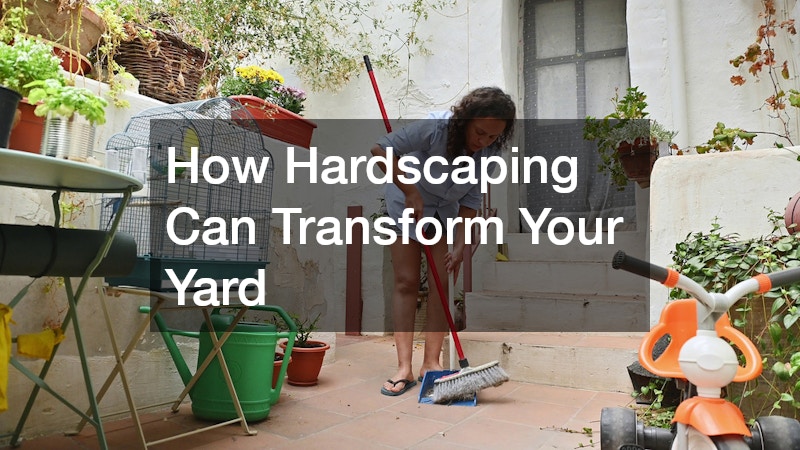
Hardscaping can completely transform your yard, turning it into a functional, visually appealing extension of your home. From enhancing curb appeal and increasing property value to reducing maintenance and improving usability, the benefits are substantial. By carefully planning your project, selecting the right materials, and working with experienced professionals, you can create an outdoor space that meets your needs and stands the test of time. With the right approach, your yard can become a well-designed oasis that balances beauty, structure, and practicality.