Few things impact your daily quality of life quite like your home’s indoor climate. During peak weather months, an unreliable heating or cooling system can turn a living room into a sweltering furnace in July or a drafty icebox in January. Beyond the immediate discomfort of hot spots, cold drafts, and oppressive indoor humidity, a struggling system forces your equipment to work overtime, resulting in skyrocketing utility bills and accelerated wear on internal components.
Achieving consistent, year-round comfort requires a strategic approach to home climate control. Rather than waiting for a complete system breakdown during extreme weather, proactive homeowners focus on targeted modernizations. From implementing zoned heating and cooling to upgrading to high-efficiency variable-speed equipment and smart automated controls, modern climate technology makes it easier than ever to maintain a stable indoor environment. Here is a comprehensive guide to essential heating and cooling upgrades that improve efficiency, protect indoor air quality, and keep your living spaces comfortable in every season.
Add Zoned Ductless Units to Master Temperature Control in Problem Rooms
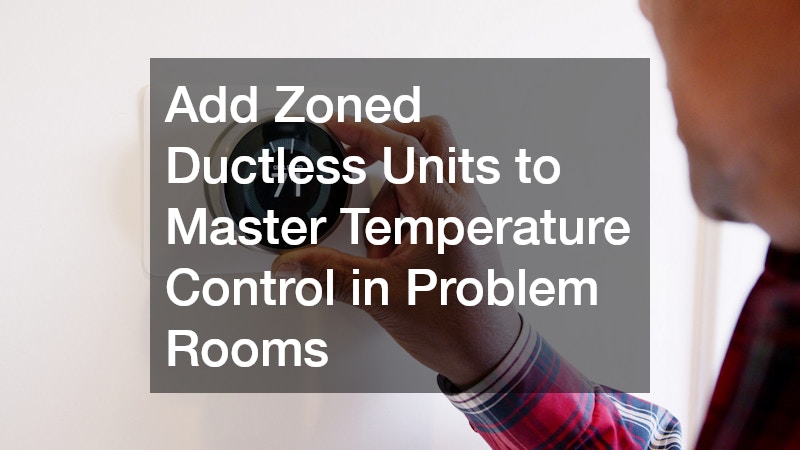
Many residential homes suffer from severe temperature imbalances. Upper-floor bedrooms often trap rising heat during summer months, converted garage spaces remain perpetually chilly in winter, and sunrooms experience drastic temperature swings throughout the day. Standard central heating and cooling systems rely on a single central thermostat, making it virtually impossible to balance temperatures evenly across multi-story or sprawling layouts.
Installing targeted ductless equipment offers an exceptionally efficient solution for individual comfort control:
- Independent Room Control: Individual indoor air handlers allow occupants to set precise temperatures for specific rooms without altering settings in the rest of the house.
- Elimination of Duct Loss: Because ductless units connect directly through small wall penetrations, they avoid the ten to thirty percent energy loss typically associated with leaking or uninsulated attic ductwork.
- Versatile Heating and Cooling: Advanced heat pump technology enables these units to provide whisper-quiet cooling during summer and efficient supplemental heat during winter.
Integrating a compact ductless mini split system provides complete climate customization for home additions, master suites, or bonus rooms without requiring expensive additions to your existing duct network.
To determine the ideal mounting locations and heating capacity for your space, consult with certified local HVAC contractors who can perform accurate heat-load calculations and ensure electrical setups comply with regional building standards. They can also assess the specific needs of your environment, taking into account factors like insulation, window placement, and square footage. This tailored approach not only enhances efficiency but also helps in minimizing energy costs over time.
Replace Outdated Central Units With High-SEER Cooling Technology
If your central air conditioner is over ten to twelve years old, it likely operates on outdated efficiency standards and old refrigerants. Aging cooling systems gradually lose cooling capacity, struggle during intense heatwaves, and consume significantly more electricity than modern units. Upgrading to a modern, high-efficiency central cooling unit provides immediate improvements in air distribution, humidity removal, and monthly energy savings.
When shopping for replacement equipment, pay close attention to SEER2 (Seasonal Energy Efficiency Ratio) ratings and compressor types:
- Single-Stage Compressors: Operate at a simple on-and-off state, running at one hundred percent capacity whenever engaged, leading to higher energy spikes and frequent cycling.
- Two-Stage Compressors: Offer high and low settings, allowing the unit to run at a lower, energy-saving speed during moderate weather while reserving full power for extreme heat.
- Variable-Speed Compressors: Adjust operating speeds in tiny increments to match real-time cooling demands, delivering precise temperature control and maximum energy efficiency.
Schedule a professional AC installation to ensure your new cooling system is correctly sized for your square footage, connected to sealed ductwork, and properly charged with modern, environmentally friendly refrigerant.
Relying on experienced residential HVAC services ensures that every aspect of the setup—from electrical disconnects to condensate drainage lines—is installed according to strict industry standards for optimal performance.
Upgrade Whole-Home Systems to Ensure Seamless Seasonal Transitions
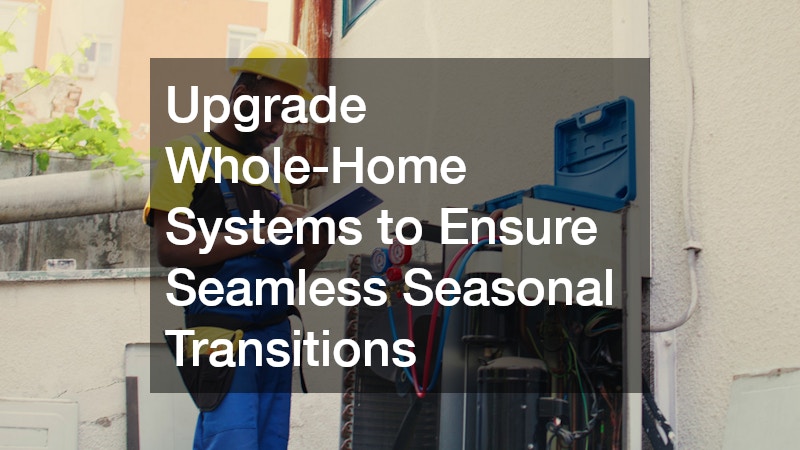
While individual cooling or heating upgrades yield great results, optimizing your home’s total climate control often requires upgrading your entire central infrastructure. Modern dual-fuel systems—which combine an electric heat pump with a high-efficiency gas furnace—offer the ultimate in versatile seasonal performance. The heat pump handles moderate heating and cooling needs efficiently, while the gas furnace kicks in automatically during severe winter freezes.
Navigating a full-scale HVAC installation involves much more than swapping out physical units inside your utility closet. A comprehensive installation includes:
- Manual J Load Calculations: Evaluating your home’s insulation levels, window orientation, ceiling heights, and air leakage to determine exact equipment tonnage.
- Ductwork Modifications: Adjusting supply and return plenum sizes to prevent air restrictions that strain blower motors and create noise.
- Ventilation and Exhaust Testing: Ensuring gas furnace exhaust flues and fresh air intakes meet safety codes to eliminate carbon monoxide risks.
Partnering with a fully licensed HVAC contractor provides peace of mind that your structural investment is backed by proper municipal permits, manufacturer warranties, and expert craftsmanship.
Schedule Bi-Annual Tune-Ups to Catch Mechanical Wear Before Peak Seasons
Even the most advanced heating and cooling equipment degrades quickly if left neglected. Dust accumulation on outdoor coils, clogged air filters, loose electrical connections, and low refrigerant levels force your equipment to work significantly harder to keep up, leading to premature mechanical failures and unnecessarily high power bills.
Enrolling in a comprehensive air conditioning service agreement before the summer heat arrives ensures your cooling coils are thoroughly cleaned, blower wheels are balanced, electrical capacitors are tested, and condensate drain lines are flushed to prevent indoor water leaks. Preventive care keeps operating efficiency at peak levels throughout the summer season.
Building an ongoing relationship with a trusted HVAC company ensures your heating system receives the same detailed care during fall inspections. Scheduled bi-annual maintenance extends the total operational lifespan of your equipment, keeps utility costs predictable, and protects your manufacturer’s warranties from being voided due to lack of upkeep.
Identify Warning Signs Early to Prevent Catastrophic System Failures
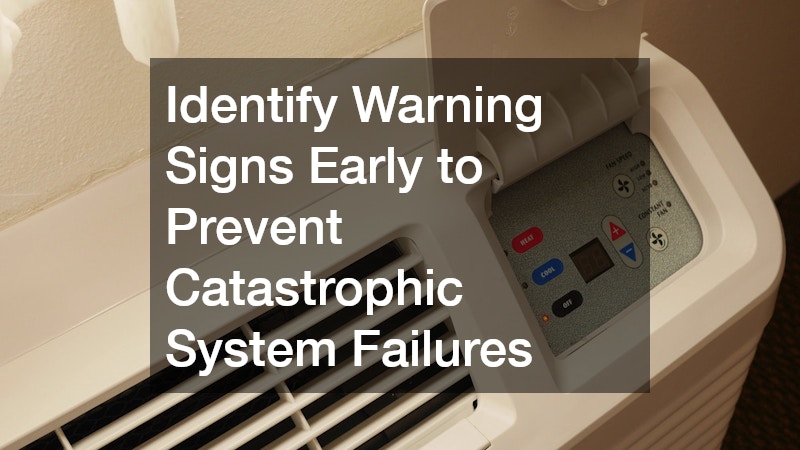
Despite proper care, mechanical components eventually wear out due to continuous operational stress. Recognizing early warning signs allows you to address minor component failures before they escalate into complete system breakdowns that leave your home without climate control during extreme weather.
Watch for these common indicators that your heating or cooling equipment requires attention:
- Strange Mechanical Noises: Squealing, grinding, or banging sounds often indicate worn motor bearings, loose fan belts, or failing compressor components.
- Frequent Short-Cycling: When a unit turns on and off rapidly without completing a full cooling or heating cycle, it may suffer from sensor errors, dirty coils, or improper sizing.
- Ice Formation: Frost or ice buildup along outdoor copper refrigerant lines signals restricted airflow or internal refrigerant leaks.
- Unexplained Energy Spikes: A sudden jump in monthly electric bills without a corresponding change in weather indicates severe operational inefficiency.
Addressing minor electrical or mechanical glitches promptly through professional AC repairs prevents broken capacitors or clogged drains from overheating expensive internal motors.
When facing sudden system failures during severe weather, requesting prompt HVAC repair protects your indoor environment, prevents indoor humidity spikes, and ensures your family remains safe and comfortable.
Optimize Your Thermal Envelope and Duct Network to Prevent Energy Loss
Installing high-efficiency equipment is only half the equation when optimizing indoor comfort. If your home has leaking ductwork or inadequate insulation, a significant percentage of the conditioned air your system produces escapes into unconditioned spaces like attics, basements, or crawlspaces before ever reaching your living areas. Sealing and insulating your home’s thermal envelope ensures that your heating and cooling equipment operates at peak performance.
Sealing and Insulating Supply and Return Ductwork
In many homes, air distribution systems lose up to thirty percent of conditioned air through loose joints, cracks, and uninsulated metal pipes running through hot attics:
- Professional Duct Sealing: Using specialized mastic sealant or specialized aerosol sealing technology closes hidden gaps in duct connections, keeping conditioned air inside the system.
- High-R Insulating Wraps: Wrapping exposed attic and crawlspace ducts with thick fiberglass or foil insulation prevents heat transfer, ensuring cold air stays cold during summer, and warm air stays hot in winter.
- Static Pressure Optimization: Fixing collapsed or crushed flexible ducts improves airflow velocity throughout the entire house, eliminating weak airflow in distant rooms.
Enhancing Attic and Crawlspace Insulation
Conditioned air naturally rises during winter and escapes through thin attic insulation, while severe summer heat radiates down through uninsulated ceilings into living spaces below:
- Blown-In Cellulose or Fiberglass: Adding blown-in insulation to reach modern recommended depth levels (R-38 to R-60) creates a massive barrier against thermal transfer.
- Air Sealing Top Plates and Penetrations: Sealing around ceiling light fixtures, pipe vents, and attic access doors prevents conditioned indoor air from leaking out into unheated spaces.
- Crawlspace Encapsulation: Installing heavy plastic vapor barriers and insulated wall panels in crawlspaces stops ground moisture from entering your home and protects subfloor ductwork from humidity damage.
Integrate Smart Controls and Air Quality Add-Ons for Maximum Efficiency
Beyond primary heating and cooling units, integrating modern smart controls and indoor air quality accessories allows you to fine-tune your living environment with minimal daily effort. Modern home automation tools monitor ambient indoor conditions continuously, adjusting system output automatically to save energy while maintaining optimal comfort.
Smart Programmable Thermostats
Upgrading from a manual thermostat to a smart, Wi-Fi-enabled controller unlocks powerful energy-saving capabilities:
- Geofencing Technology: Uses your smartphone’s location to lower heating or cooling output when you leave home and restores comfortable settings right before you return.
- Remote Room Sensors: Tracks temperature and motion in specific living areas, directing system airflow to occupied rooms rather than empty hallways.
- Energy Usage Reports: Provides detailed feedback on daily runtime patterns, helping you identify opportunities to lower monthly utility bills.
Whole-Home Moisture Control
Relative humidity plays a massive role in how warm or cool indoor air feels to the human body:
- Whole-Home Dehumidifiers: Installed directly into central ductwork, these units extract excess moisture during humid summers without over-cooling your home, allowing you to set the thermostat higher while feeling cooler.
- Steam Humidifiers: Introduce gentle moisture during dry winter months, preventing static electricity, cracked wood furniture, and dry respiratory passages.
Advanced Air Filtration and Purification
Because modern homes are sealed tightly for energy efficiency, indoor air pollutants can accumulate over time:
- High-Efficiency MERV Filters: Upgrading to media filter cabinets rated MERV 13 or higher captures fine dust particles, pet dander, pollen, and smoke particles.
- UV Germicidal Lights: Installed near indoor evaporator coils, ultraviolet lights sterilize mold spores, bacteria, and viruses before they can circulate through your duct system.
Long-Term Financial Benefits of Modern Climate Infrastructure
While major climate control upgrades require an initial capital investment, the long-term financial and practical benefits far outweigh the upfront costs. Modernizing your heating and cooling equipment delivers immediate returns across multiple areas of homeownership:
- Reduced Monthly Utility Overhead: Upgrading from an old 10 SEER unit to a modern 16+ SEER2 system can cut cooling-related electricity usage by up to forty percent, putting money back in your pocket every month.
- Enhanced Property Value and Buyer Appeal: High-efficiency equipment, zoned ductless units, and documented service histories serve as major selling points for prospective home buyers, helping your property stand out during real estate appraisals.
- Prevention of Costly Emergency Expenses: Replacing aging, failure-prone equipment eliminates the stress and high costs associated with emergency service calls, temporary lodging, and sudden property repairs caused by condensate leaks or frozen coils.
- Protection of Home Interior Infrastructure: Maintaining stable indoor humidity levels prevents wood flooring from warping, keeps drywall joints from cracking, and protects delicate electronics from moisture damage.
Enjoy Complete Year-Round Comfort
Designing a comfortable home requires moving beyond reactive fixes and embracing modern climate technology. By incorporating zoned cooling, upgrading to high-efficiency central units, automating system schedules with smart thermostats, sealing your home’s thermal envelope, and staying diligent with seasonal maintenance, you create an efficient indoor environment tailored to your lifestyle. Investing in smart heating and cooling upgrades today ensures your home remains a welcoming, energy-efficient sanctuary no matter what the weather brings outside.
Additionally, consider integrating renewable energy sources, such as solar panels, which can further enhance your home’s efficiency while reducing your carbon footprint. Lastly, selecting energy-efficient appliances and materials can contribute to a sustainable living space that not only feels good but also promotes environmental responsibility.