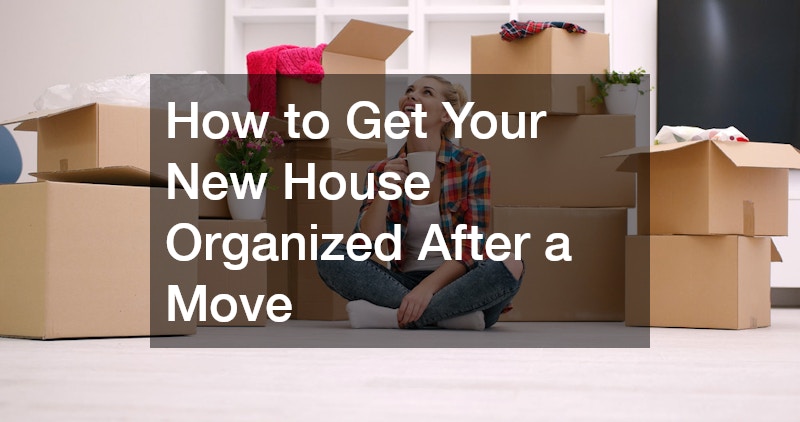
Moving into a new house is exciting, but getting everything organized after the boxes arrive can feel overwhelming. Even when the move goes smoothly, you may still be surrounded by boxes, misplaced belongings, and items you have not figured out where to put yet. Fortunately, you do not have to organize your entire house in one day.
The best approach is to create a realistic plan and work through your home one area at a time. By prioritizing essential spaces, giving your belongings designated homes, and getting rid of unnecessary clutter, you can turn a house full of boxes into a comfortable and organized home.

Start With the Essentials
Before unpacking every box, identify the items you need immediately. These might include toiletries, medications, clothing, towels, bedding, chargers, basic kitchen supplies, cleaning products, and important documents.
If you packed a clearly labeled first-night or first-week box, unpack that one first. Having your necessities accessible will make the rest of the organizing process much easier.
It is also helpful to establish one temporary location for important items. Keys, wallets, paperwork, moving documents, and other necessities can quickly disappear during local moving services. A small basket or tray can keep these things together until you have fully settled in.
If you hired a moving company, some boxes and furniture may have been placed in rooms based on convenience rather than where you ultimately want everything. Do not worry about getting every placement perfect immediately. Focus first on creating enough order to move comfortably through the house.
Create an Unpacking Strategy
Unpacking randomly can make the process take much longer. Instead, develop a strategy before opening dozens of boxes.
Start with the rooms that affect your daily routine the most. For many households, that means the bedroom, bathroom, kitchen, and living room. Once those areas are functional, you can work on less urgent spaces such as guest rooms, offices, garages, and storage areas.
Try to finish one room before moving to another whenever possible. Seeing a completed room can give you a sense of progress and make the remaining work feel less intimidating.
As you unpack, separate items into categories. Items that belong in the current room should stay there, while things that belong elsewhere can be moved later. You should also separate belongings you want to donate, sell, recycle, or discard.
Avoid creating a giant “deal with this later” pile that simply moves from room to room. If you are unsure where something belongs, set it aside temporarily and revisit it once the major areas of the house are organized.

Organize Your Kitchen First
The kitchen is one of the most important rooms to organize because you probably use it every day. Start by unpacking dishes, glasses, utensils, cookware, coffee supplies, and frequently used appliances.
Think about how you move through the kitchen when deciding where things belong. Plates and bowls should be easy to reach from the dishwasher or sink. Cooking utensils can stay near the stove, while food storage containers may work best near the refrigerator.
Do not feel obligated to recreate the organization system from your previous home. Your new kitchen may have different cabinet sizes and drawer locations, so use the move as an opportunity to create a system that works with the new layout.
As you unpack, look for duplicates. Moving is an excellent time to discover that you own multiple spatulas, serving dishes, or more mugs than your cabinets can comfortably hold. Keep the items you actually use and donate or discard unnecessary duplicates.
For the pantry, group similar foods together and keep frequently used ingredients within easy reach. You can add containers and labels later once you know what the space actually needs.
Make the Bedroom Feel Finished
After a long day of unpacking, having a comfortable bedroom can make a huge difference. Assemble the bed, put on clean sheets, unpack clothing essentials, and make sure you can easily access anything you need at night.
Organize your closet based on how you actually dress. You might arrange clothing by type, season, color, or frequency of use. Choose a system that is simple enough to maintain.
Moving is also a good opportunity to reduce clothing clutter. Instead of automatically putting every item into your new closet, ask yourself whether you still wear it. Clothing that no longer fits your lifestyle or has not been worn in years may not need to take up valuable storage space.
Keep frequently used accessories somewhere accessible. Shoes, bags, jewelry, and everyday items should have designated places so they do not end up scattered throughout the bedroom.
Once your bedroom is organized, resist the urge to use it as a temporary storage area for things that belong elsewhere.
Set Up Functional Bathrooms
Bathrooms are generally smaller than other rooms, which means clutter can quickly become noticeable. Start by unpacking everyday toiletries and putting them in convenient locations.
Group products by purpose. Skincare products can stay together, while hair care products, dental supplies, and first-aid items can have their own designated spaces.
Avoid filling every cabinet and drawer simply because you have the space. Leaving some open storage makes it easier to put things away and gives you room for future purchases.
Pay attention to maintenance issues you notice while unpacking. A leaking faucet, clogged drain, running toilet, or other plumbing problem should not be ignored. A professional plumbing repair service can address problems that go beyond basic DIY fixes.
Create an Organized Entryway
The entryway can have a major impact on how organized the entire house feels. It is where people typically drop shoes, bags, coats, keys, mail, and other belongings.
Create a designated location for each item. A console table can hold keys and mail, while hooks can provide a convenient place for jackets and bags. A shoe rack or storage bench can prevent footwear from spreading across the floor.
If you have children, consider keeping frequently used items at a height they can reach. This encourages everyone to participate in keeping the entryway organized.
The goal is not necessarily to make the entryway perfect. Instead, create a system that makes it easy for everyone to put things away when they walk through the door.

Sort Your Closets Before Filling Them
Closets often become cluttered because people treat them as convenient places to hide items during the moving process. Instead of immediately filling every closet, determine what each space should store.
For example, one closet might hold cleaning supplies, another could contain linens, and another might be dedicated to coats or seasonal belongings.
Use shelves, bins, baskets, and hooks when they genuinely improve accessibility. However, avoid buying dozens of storage containers before understanding your space. You may discover that certain containers do not fit your shelves or that you need a different organization strategy.
If your home does not have enough storage, consider whether you can improve the existing layout. Custom home remodeling services may provide options for creating more functional storage through cabinetry, built-ins, closets, or other improvements.
Declutter as You Unpack
One of the biggest mistakes people make after moving is assuming that everything they packed needs to be unpacked.
You do not have to keep something simply because you already transported it to your new house. Moving gives you a natural opportunity to reconsider what you own.
As you unpack, ask yourself whether you use the item, whether you like it, whether it works properly, and whether you would buy it again today. Also consider whether you already own something that serves the same purpose.
If the answer is consistently no, consider donating, selling, recycling, or discarding the item.
Decluttering while unpacking saves you from organizing belongings you do not actually need and creates more room for the things that matter.
Organize Your Living Room Around Your Lifestyle
Once your essential rooms are functional, turn your attention to the living room. Before arranging furniture, consider how your household will use the space.
If you watch television regularly, arrange seating around the viewing area. If you enjoy reading, create a comfortable reading corner. If you frequently host guests, leave enough open space for people to move around.
Avoid pushing furniture against walls simply because that is how it was arranged in your previous house. Your new room may have a different shape, so experiment with furniture placement until you find a layout that feels comfortable.
After the major furniture is positioned, organize smaller items. Books, blankets, games, electronics, remotes, and decorative objects should each have designated homes.
Organization does not mean removing personality from the room. Photos, artwork, plants, and personal decorations can make your new house feel like home.
Set Up Your Home Office
If you work or study at home, setting up your office early can help you return to your normal routine.
Start with the basics: your desk, chair, computer, lighting, chargers, and frequently used supplies. Keep important paperwork organized rather than allowing it to accumulate in moving boxes.
Cable management can also make a major difference in how clean your workspace looks. Use simple clips or ties to keep cords from becoming tangled.
Think about what you genuinely need within arm’s reach. Frequently used supplies can stay nearby, while items you rarely use can be stored elsewhere.
A well-organized workspace does not have to be elaborate. It simply needs to make it easy for you to focus without constantly searching for something.
Tackle the Garage and Storage Areas Last
Garages, attics, basements, and storage rooms are often the last areas to organize because they do not affect daily routines as much as kitchens and bedrooms.
When you are ready, divide items into categories such as tools, seasonal decorations, outdoor equipment, automotive supplies, and household maintenance products.
Keep frequently used items accessible. Seasonal belongings can go toward the back or higher shelves if you will not need them for several months.
Use sturdy shelving when appropriate, and avoid creating unstable piles of boxes. Heavy containers should generally be placed lower, while lighter items can be stored higher.
As you organize storage spaces, keep safety in mind. Do not block electrical panels, utility equipment, vents, doors, or other areas that need to remain accessible.
Pay Attention to Home Maintenance
Getting organized is about more than deciding where your belongings go. Moving into a new home is also a good opportunity to familiarize yourself with the property.
Locate your main water shutoff, electrical panel, circuit breakers, gas shutoff if applicable, and other important systems. Knowing where these controls are can save valuable time if an emergency occurs.
You should also learn the basic maintenance schedule for your home. Keep records for major appliances, heating and cooling equipment, roofing work, and other significant systems.
If you discover roof damage, it may be worth contacting professional roofing contractors to assess the situation. Addressing problems early can help prevent them from becoming more expensive later.
Similarly, HVAC companies can help inspect and maintain heating and cooling equipment so you understand the condition of the system in your new house.
Prepare for Emergencies
While organizing your home, think about what you would need during an unexpected emergency. An emergency kit should be easy to access and contain supplies such as flashlights, batteries, first-aid materials, basic tools, and important contact information.
If your area experiences frequent power outages, you may also want to research residential generators and determine whether one would be appropriate for your property.
Keep emergency supplies in a clearly labeled location. Everyone in the household should know where they are located.
It is also wise to understand what to do if your home experiences unexpected damage. Water leaks, storms, fires, and other events can require professional assistance.
For example, a water damage restoration service may be needed after a significant leak or flooding event. A fire damage restoration service can help address the aftermath of a serious fire.
These situations may never happen, but preparing for them is another way to make your new house safer and more comfortable.
Organize Your Outdoor Spaces
Once the interior is under control, turn your attention outdoors. Patios, decks, sheds, garages, and yards can quickly become holding areas for belongings that do not have a clear place inside.
Start by determining what you want to use the outdoor space for. You might create an area for dining, gardening, recreation, relaxing, or entertaining.
Store outdoor equipment where it is easy to access without creating hazards. Garden tools, hoses, lawn equipment, and seasonal decorations should have designated locations.
Pay attention to trees and landscaping as well. If you notice dead, damaged, or hazardous trees, a tree removal contractor can determine whether professional removal is necessary.
A tidy garage, organized shed, and functional patio can make the entire property feel more manageable.
Create a Household Organization System
A house stays organized more easily when everyone who lives there understands the system.
Rather than expecting one person to constantly put everything away, assign simple responsibilities to household members. Children can put away toys, shoes, and clothing, while adults can manage paperwork, maintenance records, and other household tasks.
A shared calendar can help keep track of appointments, activities, maintenance tasks, and important deadlines.
You can also create a central location for household information. A binder or digital folder can contain appliance manuals, warranties, receipts, contractor information, and maintenance records.
The more predictable your systems are, the less effort it takes to maintain them.
Do Not Buy Too Many Organizers
It can be tempting to purchase every attractive storage product you see after moving into a new home. However, buying too many organizers too quickly can create another problem.
Storage products should solve a specific problem. Before purchasing something, determine what you are trying to store, where it will go, and how frequently you will access it.
Measure shelves and drawers before buying containers. Consider whether clear bins, baskets, drawers, shelves, or hooks would work best for the particular space.
It is often better to live in your home for a few weeks before making major organizational purchases. Your habits will reveal what works and what does not.
Make Organization Easy to Maintain
The best organization system is one you can maintain without constantly thinking about it.
If putting something away requires several steps, you may eventually stop doing it. Frequently used belongings should have convenient storage locations.
Try adopting a simple “put it back” habit. Whenever you finish using something, return it to its designated home rather than placing it on a counter or nearby surface.
You can also establish short daily resets. Spending 10 or 15 minutes each evening putting away clutter can prevent small messes from becoming overwhelming.
Once a week, choose one area for a quick refresh. This might be the refrigerator, pantry, entryway, bathroom cabinets, or laundry room.
Small maintenance habits are usually more sustainable than waiting for the entire house to become cluttered and then attempting a massive organizing session.
Give Yourself Time to Settle In
Your home does not have to be perfectly organized immediately after moving. Your first arrangement may not be your best arrangement.
You might discover that a cabinet is inconvenient, your furniture would work better in another configuration, or a storage system does not suit your routine. That is completely normal.
Instead of viewing organization as a one-time project, think of it as an ongoing process. Your household’s needs will change over time, and your organization systems can change with them.
Make note of areas that could work better and make adjustments as you go. Perhaps you eventually want built-in storage, a larger pantry, a more functional laundry room, or a redesigned closet. You do not have to complete every project immediately.
Enjoy Your New Home
Moving can make a new house feel like a work zone for a while. Boxes, furniture, paperwork, and unfinished projects can dominate your attention. However, it is important to make time to enjoy the home you worked hard to move into.
Once the essentials are unpacked, take a break. Cook a meal in your new kitchen. Sit in your living room. Have coffee on the porch. Invite friends or family over when you are ready.
You do not need to wait until every closet is perfectly arranged before you start making memories.
Organization should ultimately make your home easier and more enjoyable to live in. By unpacking strategically, decluttering as you go, assigning everything a designated place, and creating simple systems for maintenance, you can gradually transform the chaos of moving day into a comfortable and functional home.
Most importantly, give yourself permission to take the process one step at a time. A new house becomes home gradually, and every organized drawer, unpacked box, and completed room is another step toward creating a space that works for you.