
A home depends on many systems working together. Heating and cooling equipment, plumbing, electrical wiring, roofing, gutters, windows, doors, and drainage all contribute to comfort, safety, and everyday convenience. When one of these systems develops a problem, the effects can spread quickly. A minor leak can damage walls, a clogged drain can disrupt an entire room, and a damaged roof can expose interior spaces to moisture.
Professional home services can help homeowners address problems before they become more disruptive. Some needs are routine, such as maintenance and inspections, while others require fast attention after a breakdown or severe weather event. Knowing which professionals handle different parts of a property can make it easier to respond when something goes wrong.
A proactive approach can also help homeowners plan repairs in a more organized way. Instead of waiting until several problems happen at once, households can watch for warning signs, schedule maintenance, and budget for future improvements. Understanding how each service supports the home makes it easier to protect the property and keep important systems running properly.
Keep Heating and Cooling Systems Reliable
Heating and cooling systems work throughout the year to maintain a comfortable indoor environment. Because these systems often operate for long periods, wear can build gradually. Reduced airflow, unusual noises, uneven temperatures, or higher energy use can signal that equipment needs attention.
During warmer months, local air conditioning repairs can help address problems such as weak cooling, refrigerant issues, electrical faults, or malfunctioning components. A technician can inspect the system, identify the source of the problem, and recommend an appropriate repair. Addressing cooling problems early can help prevent a complete system failure during periods of high demand.
Cold-weather problems require similar attention. A heating repair service can evaluate issues with furnaces, boilers, heat pumps, or other heating equipment. Strange smells, repeated cycling, inconsistent heating, and difficulty maintaining the thermostat setting are signs that homeowners should not ignore.
Routine maintenance can support both systems. Changing filters, keeping outdoor units clear, checking vents, and scheduling professional inspections can help equipment operate more consistently. Homeowners should also pay attention to the age and condition of their systems. Older equipment may require more frequent service, and repeated repairs can indicate that replacement should be considered.
Keeping HVAC equipment in good working order can improve comfort and help homeowners avoid the inconvenience of sudden breakdowns. A reliable system also makes it easier to manage indoor temperatures during periods of extreme weather.
Protect the Roof and Exterior From Weather Damage
The roof is one of the most important protective components of a home. It helps shield the interior from rain, wind, sun, and debris, but it is also exposed to some of the harshest conditions on the property. Missing shingles, damaged flashing, soft spots, and water stains can indicate that repairs are needed.
Roof repair services can address isolated damage before it spreads. Prompt repairs may help reduce the risk of water entering the attic, insulation, walls, or ceilings. Homeowners should inspect the roof from the ground after strong storms and schedule a professional evaluation when they notice visible damage.
Severe weather can create larger problems. Storm damage restoration companies may help homeowners assess damage caused by wind, hail, fallen branches, or other weather events. Depending on the condition of the property, restoration work may involve roofing, siding, gutters, windows, or interior areas affected by water.
Preparation is just as important as repair. Homeowners can reduce risk by trimming nearby trees, securing loose outdoor items, maintaining drainage systems, and checking exterior components regularly. After a major storm, photographs of visible damage can also help document conditions before temporary repairs are made.
Weather-related damage should not always be judged by appearance alone. Some problems are difficult to see from the ground, and water can travel before becoming visible indoors. Professional inspections can help identify issues that might otherwise go unnoticed until they cause more extensive damage.
Maintain Gutters and Drainage Around the Home
Gutters help control how rainwater moves away from the roof and foundation. When they are clogged, damaged, or improperly positioned, water may overflow near siding, landscaping, walkways, or the foundation. Over time, repeated exposure to moisture can contribute to deterioration.
Local gutter services can assist with cleaning, repair, replacement, and inspection. Homeowners should pay attention to sagging sections, leaks at seams, loose fasteners, overflowing water, and downspouts that discharge too close to the house. These signs can indicate that the gutter system is not directing water effectively.
Leaves, twigs, roofing debris, and other material can collect inside gutters throughout the year. Regular cleaning helps keep channels open and allows water to move freely. Homes surrounded by mature trees may need more frequent attention, especially during fall.
Downspout placement is equally important. Water should be directed away from areas where it can pool near the foundation or create muddy, slippery surfaces. Extensions, splash blocks, or underground drainage may be appropriate depending on the property layout.
Homeowners should also watch the ground around the house after heavy rain. Standing water, erosion, and saturated soil can reveal drainage problems that gutters alone cannot solve. Coordinating gutter maintenance with grading and landscape drainage can create a more complete water-management strategy.
Address Electrical Problems Before They Escalate
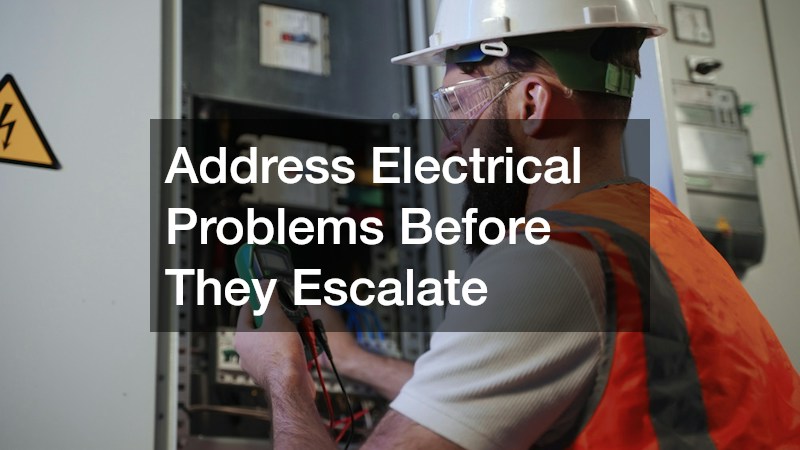
Electrical systems support nearly every modern household activity, from lighting and appliances to heating equipment and electronics. Because electrical problems can affect both convenience and safety, unusual symptoms should be taken seriously.
Electrical repairs may be needed when outlets stop working, breakers trip repeatedly, switches feel warm, lights flicker, or fixtures behave inconsistently. Homeowners should avoid repeatedly resetting breakers without identifying why the circuit is overloaded or malfunctioning.
Local licensed electricians can inspect wiring, panels, outlets, switches, and other components to determine the source of the problem. Professional evaluation is especially important in older homes, where outdated wiring or previous modifications may not meet current needs.
Electrical upgrades can also support renovations and changing household technology. Adding new appliances, electric vehicle charging equipment, outdoor lighting, or home office systems can increase electrical demand. Homeowners may need panel upgrades, dedicated circuits, or additional outlets to accommodate these changes safely.
Basic prevention can help as well. Damaged extension cords should be replaced, outlets should not be overloaded, and electrical equipment should be kept away from moisture. Homeowners should also know the location of the main electrical panel and understand which breakers control major areas of the home.
Electrical work is an area where professional service is particularly valuable. Proper repairs and upgrades can help systems support current household needs while reducing the risk of recurring faults.
Strengthen Windows and Doors for Better Protection
Windows and doors influence comfort, security, energy performance, and protection from severe weather. Aging frames, damaged seals, difficult operation, and cracked glass can reduce their effectiveness and make indoor spaces less comfortable.
In storm-prone regions, homeowners may consider a hurricane impact window and door system. These products are designed to provide additional resistance against windborne debris and severe weather conditions. They can also offer everyday benefits such as improved security and reduced outside noise, depending on the product and installation.
Proper installation matters as much as the product itself. Openings should be measured accurately, frames must be secured correctly, and surrounding areas should be sealed to limit water and air infiltration. Homeowners should also confirm that products meet applicable local building requirements.
Even homes outside hurricane-prone areas can benefit from routine window and door inspections. Drafts, condensation between panes, water stains, or difficulty opening and closing can indicate that components need repair or replacement.
Weatherstripping and caulking can sometimes resolve minor air leaks, while more serious damage may require replacement. Homeowners should also inspect locks, hinges, and latches to ensure that exterior doors operate properly.
Well-maintained windows and doors help create a stronger exterior envelope. When combined with roofing, gutter, and drainage maintenance, they contribute to a home that is better prepared for both ordinary weather and more severe conditions.
Respond Quickly to Plumbing Emergencies
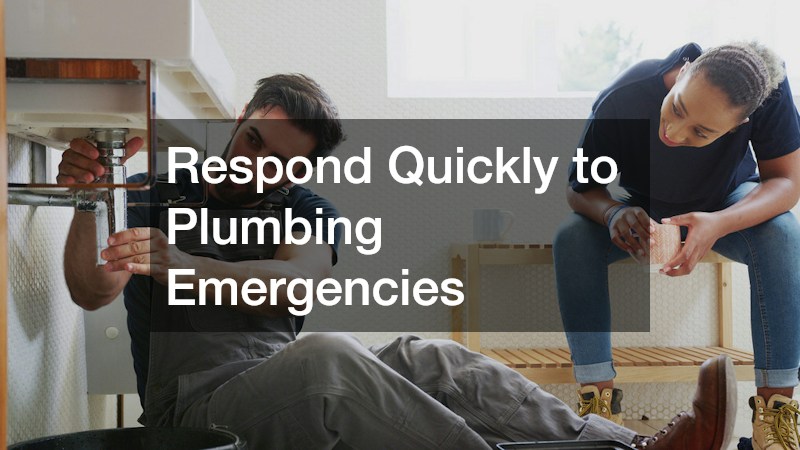
Plumbing problems can cause significant disruption because water can spread quickly through walls, floors, cabinets, and ceilings. Some issues develop slowly, while others appear suddenly and require immediate attention.
A local emergency plumber can help when homeowners face burst pipes, major leaks, overflowing fixtures, loss of water service, or other urgent problems. Knowing whom to call before an emergency happens can reduce delays when fast action matters.
Homeowners should also know where the main water shutoff valve is located. Turning off the water can limit damage while waiting for professional help. Individual fixture shutoff valves can also be useful for isolated leaks involving toilets, sinks, or appliances.
Warning signs should not be ignored simply because water is still flowing. Low water pressure, unusual sounds, damp spots, discolored water, and unexpectedly high water bills can indicate hidden plumbing problems.
Preventive steps can reduce some risks. Insulating vulnerable pipes, repairing small leaks promptly, avoiding improper disposal of grease, and checking appliance supply hoses can help prevent common failures. Homes with older plumbing may also benefit from periodic inspections.
Fast response and regular maintenance work together. Emergency service addresses immediate problems, while preventive care can help homeowners identify vulnerabilities before they lead to major water damage.
Keep Drains and Wastewater Flowing Properly
Drains are easy to overlook until they stop working. Slow sinks, gurgling pipes, standing water, and recurring odors can indicate a developing blockage or other drainage problem. Addressing these symptoms early can help prevent complete backups.
Drain cleaning services can remove buildup caused by hair, grease, soap residue, food particles, and other debris. The appropriate cleaning method depends on the location and severity of the blockage. Professional evaluation can also help determine whether repeated clogs are connected to a larger plumbing issue.
Homeowners can reduce drain problems by paying attention to what enters sinks, tubs, showers, and toilets. Cooking grease should not be poured down kitchen drains, and strainers can help capture food scraps and hair. Items that do not break down easily should be kept out of toilets.
Recurring clogs deserve closer attention. A blockage that returns soon after cleaning may indicate damaged piping, root intrusion, or another problem farther down the line. In these situations, additional inspection may be necessary.
Drain maintenance also supports hygiene and convenience. Backups can create unpleasant odors and make kitchens or bathrooms difficult to use. Keeping drains clear helps household plumbing function more consistently and reduces the likelihood of unexpected interruptions.
A simple maintenance routine, combined with professional service when needed, can help homeowners manage drainage problems before they become emergencies.

Build a Coordinated Home Maintenance Plan
Home systems are connected in ways that are not always obvious. A roof leak can affect electrical components, poor drainage can contribute to foundation moisture, and a plumbing problem can damage flooring or walls. Because one issue can influence another, a coordinated maintenance plan can be more effective than treating every repair separately.
Homeowners can begin by creating a seasonal checklist. Spring may be a good time to inspect gutters, air conditioning equipment, and exterior drainage, while fall can be used to prepare heating systems, check windows and doors, and clear leaves from gutters. Storm seasons may require additional roof and exterior inspections.
Keeping records is also useful. Homeowners can track service dates, warranties, repair history, equipment ages, and recommendations from contractors. These records make it easier to plan future work and provide useful information when a new professional evaluates a system.
Budgeting for maintenance can reduce the financial pressure of unexpected repairs. Setting aside funds for routine service and future replacement helps homeowners respond more quickly when equipment or materials reach the end of their useful life.
Professional services are most valuable when they are used as part of an organized approach to home care. Regular inspections, prompt repairs, and preventive maintenance can help important systems perform more reliably. By paying attention to the roof, HVAC equipment, electrical system, plumbing, drainage, windows, doors, and exterior water management, homeowners can reduce avoidable disruptions and keep the property functioning more smoothly throughout the year. This preparation can make future repairs easier to prioritize, schedule, budget for, and complete.