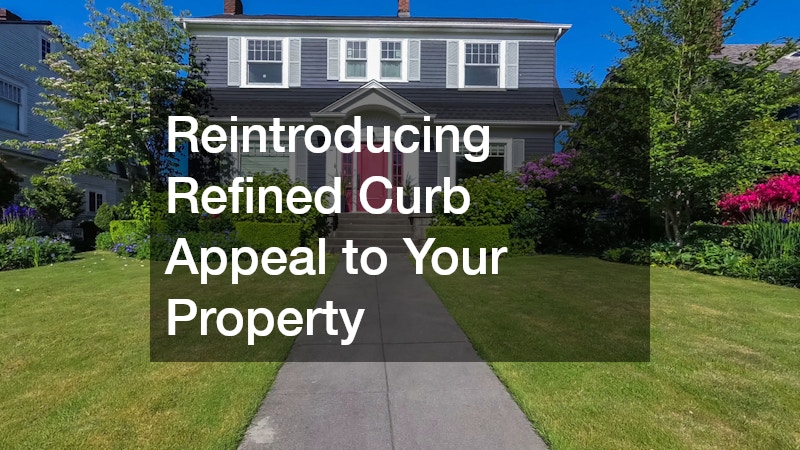
Have you ever performed a curb test on your own property? It involves stepping out of your front door, walking across the street, turning around, and viewing your home through the objective eyes of a first-time visitor. When we live in a space daily, we develop a unique blindness to its gradual decline. We stop noticing the faded paint, the encroaching shrubbery obscuring the windows, and the spiderweb of cracks creeping across the driveway. However, to the outside world, these subtle signs of exterior wear dull the architectural character and significantly lower perceived value.
The cost of a neglected exterior goes beyond aesthetics; it impacts how you feel returning home and dictates overall neighborhood appeal. Fortunately, reviving an aging property does not mean a budget-busting demolition. By taking a practical, phased approach, you can transform the facade step by step. Moving logically from heavy structural cleanup and foundational hard surfaces down to lush layered plantings and finishing details, you can restore your home’s aesthetic potential. Consider your options for exactly how to bring back that stunning first impression.
Clear Visual Clutter and Restore Sunlight to Your Front Facade

One of the most common and detrimental mistakes homeowners make is allowing mature greenery to slowly consume the front of their house. Over the years, gracefully aging oak trees, sprawling maples, and dense foundation shrubs can become massive, blocking natural sunlight and obscuring architectural focal points. When your roofline, front door, and primary windows are hidden behind unruly branches, the entire property immediately looks dark and closed off to the neighborhood.
The first critical step in any exterior restoration is tackling this visual clutter. Begin by assessing the tree canopies. The technique of crown-raising, which involves carefully removing lower limbs, works wonders for opening sightlines and allowing dappled sunlight to finally reach the struggling lawn below. Additionally, thinning out a dense foliage canopy improves vital air circulation, helping prevent fungal diseases and structural failure during heavy storms. Because improper pruning can permanently damage mature specimens, it is highly recommended to consult a certified arborist before making major cuts. These professionals diagnose hidden diseases, protect root systems, and ensure cuts avoid inviting pests.
Beyond the canopy, audit your yard for dead limbs, volunteer saplings, and decaying stumps that disrupt mowing lines and signal neglect.
- Identify and mark all deadwood or hazardous hanging branches that threaten your roof or power lines.
- Determine your safety boundaries; while a homeowner can handle lower branches with a standard pole saw, anything requiring a ladder is best left to professionals.
- Hire insured tree services for high-elevation rigging, hazardous large limb removal, and deep stump grinding.
- Clear away all resulting storm debris, leaving a clean, open canvas that immediately makes your property feel larger, brighter, and much more inviting.
Refresh Tired Flower Beds with Layered Greenery and Crisp Borders
Once the heavy canopy is cleared and sunlight is restored to the front yard, the glaring flaws in your foundation planting beds will likely become obvious. Leggy, overgrown shrubs that have lost their lower foliage, weed-choked borders, and barren patches of soil drag down the aesthetic of even the most beautiful home. Restoring curb appeal requires replacing this tired vegetation with thoughtfully layered plantings that provide vibrant, four-season color.
The secret to a professional-looking garden bed lies in the rule of layering. Start by planting tall, structural evergreens in the back to anchor the space and hide bare foundation walls. Next, introduce mid-size flowering shrubs in the middle ground to provide seasonal interest and texture. Finally, plant low-growing perennials and cascading ground covers at the very front to create a soft, welcoming transition to the lawn. To ensure your new garden thrives without requiring constant, exhausting maintenance, visit an independent garden center for tailored plant recommendations. By bringing along photos of your yard’s unique sun and shade patterns, as well as a basic soil sample, you can source native plants that are adapted to your local climate and naturally resistant to local pests.
After the greenery is planted, establishing a sharp, clean border is the finishing touch.
- Use a manual half-moon edger or a gas-powered landscape edger to cut a deep, three-to-four-inch trench along the perimeter of your garden beds.
- Ensure the edge forms a crisp, continuous curve or a sharp geometric line to visually separate the wildness of the plants from the manicured turf.
- Calculate your cubic yardage carefully so you can order bulk mulch supplies to properly cover the exposed soil.
- Apply a uniform two-to-three-inch layer of shredded hardwood or rich pine bark to lock in vital soil moisture, drastically suppress weed growth, and create a gorgeous, dark contrast against the vibrant green foliage.
Fix Cracked Surfaces and Establish Inviting Pathways to Your Front Door
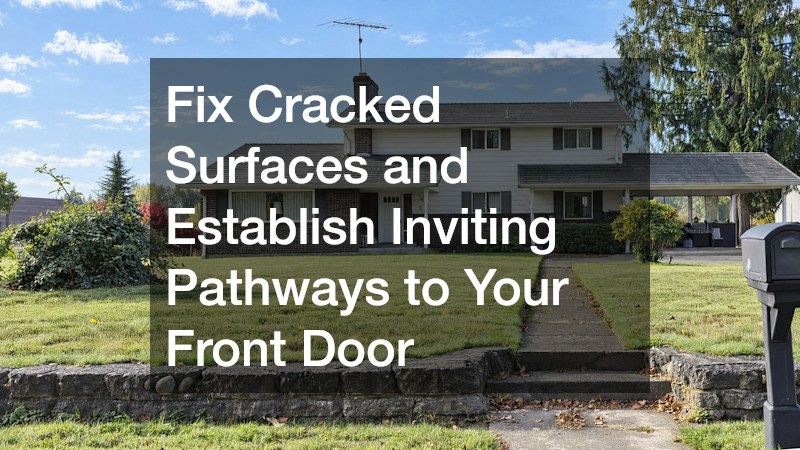
Even the most magnificent landscaping cannot compensate for deteriorating structural surfaces. The visual drag of a spider-cracked asphalt driveway, sunken concrete walkway slabs, and weed-choked seams can single-handedly ruin a home’s exterior presentation. Because these surfaces take up massive visual real estate, their condition dictates the overall standard of the property.
Addressing these issues begins with an honest evaluation of your driveway and primary walkways. Minor imperfections can often be resolved with dedicated weekend maintenance. Power washing deep-set oil stains, meticulously filling hairline cracks with liquid filler, and applying a fresh, jet-black sealcoat can buy an aging asphalt driveway a few more years of life. However, if the surface features deep potholes, extensive alligator cracking, or severe structural heaving, DIY patchwork will only highlight the damage. At this stage, it is far more cost-effective to hire reputable paving services for full driveway resurfacing, an asphalt overlay, or installing a high-end paver system that commands attention. A freshly paved, smooth surface immediately signals to visitors that the property is meticulously cared for from the street to the doorstep.
Beyond the driveway, consider how secondary pathways, garden trails, and distinct elevation changes intentionally guide the eye toward your front door.
- Replace disjointed, uneven stepping stones with a continuous, solid walkway constructed of poured concrete or natural flagstone that is at least four feet wide, allowing two people to comfortably walk side by side without stepping on the grass.
- Incorporate high-impact hardscaping upgrades, such as tiered low stone retaining walls, to expertly manage steep sloped front yards, create flat planting terraces, and eliminate muddy soil washouts during heavy spring rainstorms.
- Define property zones using elegant Belgard-style paver borders alongside your walkways, anchoring the soft greenery with permanent, structured texture.
- Install functional dry creek beds using river rock to handle drainage issues while doubling as an intentional, aesthetic landscape feature.
Transform Your Entryway and Front Yard into Welcoming Gathering Zones

The front porch is the undisputed emotional centerpiece of your home’s curb appeal. It is the focal point that naturally draws the eye, and its condition speaks volumes about the interior of the house. Sagging steps, peeling deck boards, and outdated, wobbly railings subtly suggest to onlookers that the property is in a state of disrepair. Modernizing this space offers an incredible return on investment.
Begin by evaluating the structural integrity of the porch flooring and steps. Traditional cedar and pressure-treated lumber offer classic beauty, but they require rigorous maintenance, constant staining, and weatherproofing to prevent splintering and rot. To escape the upkeep, consider low-maintenance composite decking that mimics natural wood without moisture vulnerability. For complex structural issues—like widening cramped steps, repairing joists, or installing modern cable railings—bringing in experienced local deck builders ensures the job is done safely. A well-built, expansive front porch completely changes the architectural weight of the house.
Furthermore, challenge the assumption that outdoor living belongs exclusively in the backyard. Carving out an intimate gathering space in the front yard makes a home feel remarkably warm, inviting, and neighborly.
- Design a compact, semi-private seating area using natural flagstone or eco-friendly permeable pavers that blend beautifully with the natural environment.
- Position front-yard patios under the shade of a mature canopy tree or tucked adjacent to a fragrant garden bed to create a natural, relaxing destination spot right outside your door.
- Frame the perimeter of the seating nook with large, striking container planters filled with bright seasonal blooms and trailing vines to organically define the outdoor living space.
- Style the area with classic, weather-resistant Adirondack chairs, a charming metallic bistro set, and a small, textured outdoor rug to seamlessly bridge the gap between the indoors and the surrounding neighborhood.
Frame Your Property Lines with Clean, Well-Maintained Perimeters
If your house and landscaping act as the masterpiece artwork, your perimeter structures act as the picture frame. Unfortunately, boundary lines are frequently the most neglected aspect of a property’s exterior. A single leaning post, a sagging gate, or a stretch of algae-covered panels can severely drag down the entire view, distracting from the hard work you have put into the facade. Clean, well-maintained perimeters project a sense of order, security, and pride of ownership.
Revitalizing your perimeter requires a systematic maintenance approach. Start by soft-washing painted wooden structures to safely remove years of built-up green algae, dark mildew, and corrosive road grime. For organic wood materials, resetting frost-heaved posts with fresh concrete and replacing corroded metal hinges and gate latches will instantly improve daily functionality. If the wood is simply weathered gray but remains structurally sound, applying a fresh coat of high-quality semi-transparent stain will restore its rich color and protect it from ultraviolet light damage.
However, there comes a point where constant, grueling patchwork stops making financial and aesthetic sense.
- Identify widespread wood rot, severe panel warping, or insect damage that critically compromises the structural integrity of the entire perimeter.
- When total material replacement becomes completely necessary, working with a reputable fence company can drastically modernize your curb appeal overnight.
- Choose a distinctive design that flawlessly complements your home’s architecture, such as classic white cedar picket for a traditional coastal cottage, clean horizontal wooden slat designs for modern homes, or stately ornamental black aluminum for a sprawling brick colonial.
- Ensure newly installed gates are wide enough to easily accommodate modern landscaping equipment, and consider adding custom arched arbors over main entryway points to create a dramatic transition from the public sidewalk into your private domain.
Sequence Your Upgrades Strategically and Lock In Long-Term Upkeep

A common pitfall in exterior renovation is executing projects in the wrong order, resulting in damaged brand-new work. Pouring a fresh concrete walkway only to have machinery crack it weeks later while removing a stump is an expensive mistake. To succeed, you must sequence your upgrades strategically.
Always prioritize heavy excavation, deep grading, and massive structural repairs first. This initial phase includes removing hazard trees, tearing out cracked driveways, and building load-bearing retaining walls. Only after the heavy machinery has left should you move on to secondary installations like poured walkways, new front porches, and solid garden edging. Finally, the delicate finishing work of planting shrubs, laying fresh turf, and spreading topsoil should be saved for the very end. If managing this complex order of operations feels overwhelming, hiring skilled local landscapers can seamlessly bridge the critical gap between major construction projects. They can efficiently handle sensitive transitional phases, such as executing final yard grading to ensure proper rainwater runoff, laying fresh sod over bare dirt patches, installing multi-zone smart irrigation systems, and establishing long-term seasonal cleanup schedules to maintain the pristine look year-round.
Once the heavy lifting is completely finished, you can shift your focus to the layered ornamental details that provide the finishing touch.
- Install low-voltage LED uplighting directly at the base of your most striking architectural house features and mature trees to create stunning nighttime drama.
- Place warm, ambient path lights evenly along the borders of the front walkway to safely guide evening guests straight to your front entrance.
- Upgrade cheap, faded builder-grade hardware fixtures by installing oversized, modern metal house numbers that are easily visible from the street corner.
- Replace your dented roadside mailbox with a sturdy, decorative model surrounded by a small, freshly mulched bed of bright drought-tolerant flowers.
- Apply a fresh coat of high-gloss paint to the front door and update all surrounding exterior hardware in a matching contemporary finish like sleek matte black or rich brushed brass.
Reviving a tired exterior may seem insurmountable when viewed all at once, but the process is highly manageable when broken down into logical phases. Restoring exterior beauty does not require an overnight demolition or an impossibly massive budget. By heavily prioritizing your property’s core structural bones, establishing perfectly clean borders, permanently repairing damaged hard surfaces, and planting healthy greenery, you can steadily transform the aesthetic character of your home. Each small weekend project consistently builds upon the last, eventually compounding into a breathtaking final result that elevates the entire surrounding neighborhood.
The true secret to an exterior transformation is simply generating forward momentum. Do not let the scale of the transformation paralyze your daily progress. Step outside today with a blank notepad and a highly critical eye, and intentionally pick just one high-visibility zone to tackle this upcoming weekend. Whether pruning a low-hanging branch, power washing the driveway, or installing a sleek new mailbox, just take that essential first step. Enjoy watching your home’s unique character beautifully come back to life.