Building a home is a complex process with countless moving parts, from selecting the perfect lot to final paint touches. While many homeowners focus on the big-ticket items like foundations, framing, and interior finishes, it’s often the overlooked steps that make the biggest difference in long-term satisfaction. Missing minor yet crucial stages can lead to costly mistakes, reduce energy efficiency, compromise safety, and affect your overall comfort.
This guide explores ten frequently overlooked steps in the homebuilding process and provides practical guidance for homeowners, helping you plan ahead, avoid pitfalls, and create a functional, beautiful home that lasts for decades.
1. Planning Outdoor Living Spaces Early
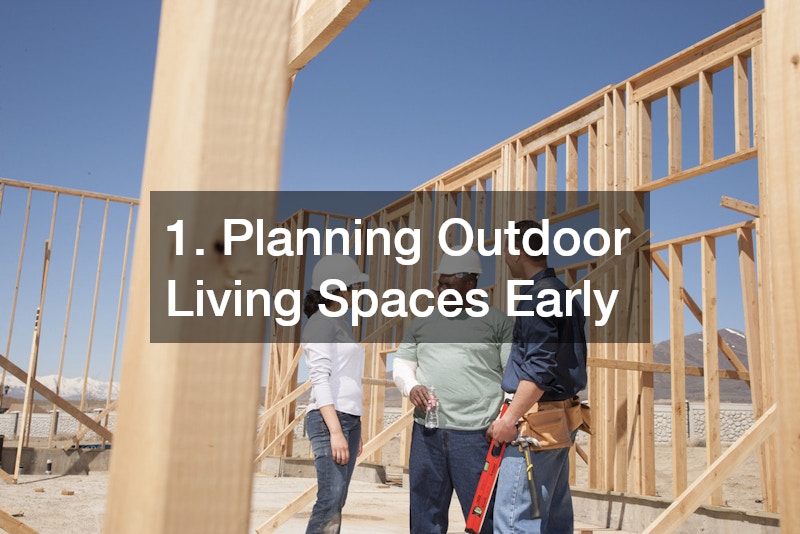
Many homeowners only think about decks, patios, and outdoor living spaces after construction has begun. Planning these areas early can prevent conflicts with foundations, grading, and landscaping.
Tips for success:
- Evaluate natural light and shade: Consider how the sun moves throughout the day to make outdoor spaces comfortable.
- Flow from indoors to outdoors: Ensure easy access from kitchens or living areas to decks and patios.
- Plan for utilities: Install wiring for outdoor lighting or sound systems during early stages.
Collaborating with a deck builder early ensures your outdoor structures are safe, structurally sound, and properly integrated into the home’s design. Proper planning also allows you to account for fencing, walkways, and future landscaping without disrupting construction.
2. Coordinating Siding and Exterior Finishes
Exterior finishes are critical for both aesthetics and home performance. Overlooking siding during early planning can cause misalignment with windows, trim, and roofing.
Actionable tips:
- Material selection: Choose siding that complements your home’s design and is suitable for the local climate.
- Ventilation and moisture management: Ensure proper house wrap and flashing are installed to prevent water intrusion.
- Timing matters: Schedule siding installation after windows and doors are set but before landscaping.
Hiring professionals for siding install guarantees alignment, structural integrity, and long-term durability. Early coordination with roofing and window installation ensures a polished, cohesive exterior.
3. Grading and Site Preparation
Grading and site preparation are often underestimated, but they play a pivotal role in foundation stability and water management.
Key considerations:
- Proper slope: Ensure water drains away from the foundation to prevent flooding or water damage.
- Soil compaction: Properly compacted soil supports the foundation and prevents uneven settling.
- Future landscaping: Prepare for irrigation, walkways, and patios to avoid conflicts later.
A skilled grading contractor can ensure the lot is prepared correctly, saving thousands in repairs and preventing long-term problems. Proper grading also contributes to energy efficiency by reducing moisture-related issues in basements or crawl spaces.
4. Integrating Landscaping Early
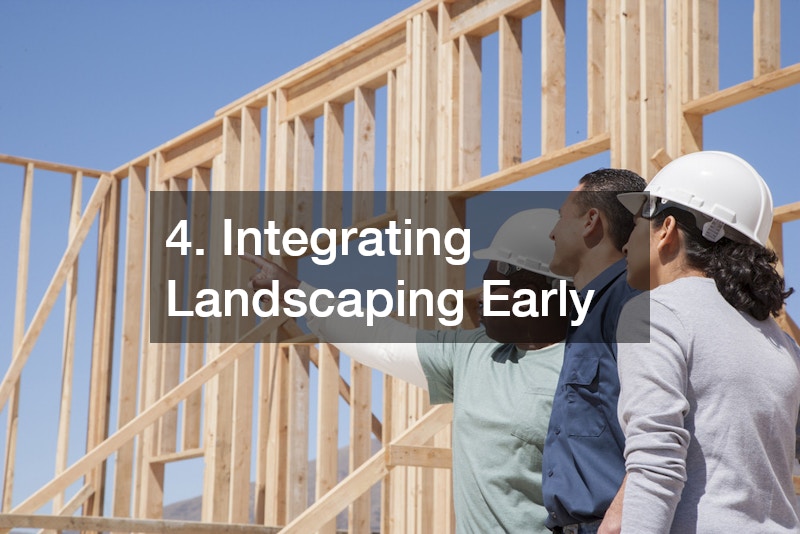
Landscaping isn’t just decorative—it affects drainage, shade, and energy efficiency. Planning landscaping early can prevent damage to foundations, patios, and utility lines.
Practical tips:
- Plant placement: Avoid planting trees too close to the foundation or utility lines.
- Irrigation planning: Install irrigation systems early to ensure efficient water delivery.
- Accessibility: Keep pathways clear for construction equipment and maintenance.
Working with a landscaper contractor early ensures that landscaping is harmonized with grading, outdoor living spaces, and future fencing. Proper planning increases curb appeal, property value, and long-term satisfaction.
5. Installing Fencing at the Right Time
Fencing is more than just a boundary marker—it plays a vital role in defining your property, enhancing privacy, improving security, and complementing the overall landscaping of your home. Unfortunately, it is often treated as an afterthought, installed late in the construction or renovation process, which can lead to placement issues, alignment problems, and conflicts with other outdoor features. Careful planning ensures that your fence serves its intended purpose effectively while enhancing the beauty and functionality of your property.
Steps for successful fencing installation include:
- Confirm property lines: Before any installation begins, it’s essential to verify property boundaries to avoid disputes with neighbors. Accurate measurement and survey data ensure your fence is positioned correctly and legally.
- Material selection: Choose materials that match your home’s aesthetic and are suited for local climate conditions. Wood, vinyl, aluminum, and composite materials each offer distinct advantages in terms of durability, maintenance, and visual appeal.
- Timing: Consider whether fencing should be installed before or after major landscaping projects. Installing too early can risk damage from heavy equipment or soil grading, while installing too late may require adjustments to accommodate trees, gardens, or hardscaping.
Hiring a local fence contractor guarantees that your fence is installed to code, with properly aligned posts, even spacing, and secure hardware. Professional installation not only enhances the safety and security of your property but also improves curb appeal and complements your landscaping design. Properly planned and executed fencing ensures long-term durability, minimizes maintenance issues, and creates a cohesive, polished look for your yard.
6. Planning Key Interior Spaces
While kitchens and living rooms often take center stage in home design, it’s the overlooked functional spaces—bathrooms, mudrooms, laundry areas, and storage rooms—that can make or break everyday convenience. Neglecting these areas during the planning stage can lead to cramped layouts, insufficient storage, poor ventilation, and frequent remodeling projects down the line. Proper attention to these spaces ensures a home that is not only beautiful but also practical and comfortable for daily life.
Tips for optimizing interior layouts include:
- Plumbing and electrical rough-ins: Carefully plan the placement of pipes, drains, outlets, and switches. Properly coordinated rough-ins prevent costly rework and ensure that future renovations or upgrades are easier to implement.
- Lighting and ventilation: Adequate lighting, both natural and artificial, enhances functionality and ambiance. Ventilation is especially important in bathrooms and laundry areas to reduce moisture, prevent mold growth, and maintain air quality.
- Storage solutions: High-traffic areas benefit from strategically placed cabinets, closets, shelving, and hooks. Well-planned storage reduces clutter and keeps essential items accessible while maintaining a clean, organized appearance.
Hiring professionals for bathroom renovations during initial construction ensures these spaces are installed correctly, with durable materials and efficient layouts. Thoughtful design in functional areas increases the overall livability of the home, enhances resale value, and minimizes stress for homeowners. By addressing these overlooked spaces early, you create a home that seamlessly combines style, convenience, and long-term practicality.
7. Preparing for Backup Power Needs

Modern homes depend more than ever on a reliable supply of electricity. From heating and cooling systems to refrigerators, lighting, security systems, and smart home devices, power outages can quickly disrupt daily life, compromise safety, and even damage sensitive electronics. Despite this reliance, many homeowners overlook the importance of planning for backup power during construction or renovation, leaving their homes vulnerable during storms, grid failures, or unexpected outages.
Essential considerations for backup power include:
- Identify critical circuits: Start by determining which systems and appliances are essential during an outage. HVAC units, sump pumps, refrigerators, medical equipment, and security systems often take priority. Prioritizing circuits ensures that a backup generator provides power where it’s most needed.
- Generator placement: Selecting a safe, accessible location is vital for both performance and safety. The generator should be installed away from windows, doors, and vents to prevent carbon monoxide hazards, while also allowing for easy maintenance and fuel delivery. Compliance with local codes and regulations is essential to avoid fines or unsafe conditions.
- Fuel storage: Ensure that the generator has adequate fuel capacity for extended outages. Consider the type of fuel—propane, natural gas, or diesel—and how easily it can be replenished during emergencies. Proper fuel storage prevents interruptions and supports continuous operation.
Working with certified professionals to install back up generators guarantees proper integration with your home’s electrical system, reducing the risk of overloads, wiring mistakes, or unsafe connections. A professionally installed generator not only provides peace of mind during emergencies but also enhances the home’s overall resilience, keeping essential systems running smoothly until power is restored. Planning for backup power early in the construction or renovation process ensures efficiency, safety, and long-term reliability, making it a critical step for any modern home.
8. Addressing Windows and Screens
Windows play a vital role in the overall performance and comfort of a home, far beyond their aesthetic appeal. They regulate natural light, facilitate ventilation, and impact energy efficiency by reducing heat loss in the winter and heat gain in the summer. Despite their importance, many homeowners overlook proper window planning, screening, and maintenance during construction, which can lead to issues such as poor airflow, increased energy bills, and pest intrusion.
Key considerations for optimal window performance include:
- Durable materials: Choosing high-quality window frames and screens ensures long-lasting performance. Materials should resist warping, corrosion, and UV damage, which can be particularly important in areas with extreme weather conditions.
- Ventilation planning: Properly positioned windows allow for cross-ventilation and efficient airflow, helping to maintain comfortable indoor temperatures. It is important to ensure that windows open fully without obstructing furniture, appliances, or landscaping features.
- Future maintenance: Planning for easy access to screens and sashes allows for routine cleaning, repairs, or replacement without the need for costly interventions. Removable screens or hinged designs simplify maintenance and prolong their lifespan.
Investing in early window screen repairs and professional installation not only enhances indoor air quality and reduces pests but also improves overall energy efficiency. Well-planned and maintained windows contribute to a healthier, more comfortable living environment while protecting your home’s interior finishes from damage caused by moisture and poor ventilation. By addressing these details during the construction phase, homeowners can enjoy long-term savings, better comfort, and fewer maintenance headaches in the future.
9. Coordinating Mechanical Systems
HVAC systems, plumbing, and electrical layouts are critical components of any home, yet they are often overlooked until late in the construction process. Delaying attention to these systems can result in conflicts between trades, inefficient layouts, and costly rework. Proper planning from the outset ensures that these systems work seamlessly together, enhancing comfort, safety, and energy efficiency throughout the home.
Best practices include:
- System sizing: Selecting appropriately sized HVAC units is essential to maintain consistent temperatures and efficient energy use. Undersized systems may struggle to heat or cool effectively, while oversized systems can cycle too frequently, wasting energy and increasing wear.
- Duct and vent placement: Thoughtful placement of ducts and vents optimizes airflow, maintains indoor air quality, and reduces energy waste. Properly routed ducts prevent hot or cold spots and ensure balanced distribution throughout the home.
- Integration: Modern homes benefit from smart home features, including automated lighting, climate control, and security systems. Planning integration during construction allows these technologies to be seamlessly incorporated without the need for retrofits or complex rewiring later.
Partnering with an experienced HVAC company ensures that all systems are installed correctly, comply with local building codes, and are easy to maintain. Early collaboration with licensed contractors for HVAC, plumbing, and electrical work reduces the risk of costly mistakes, ensures efficient operation, and enhances the long-term comfort and value of your home. By addressing these systems proactively, homeowners can enjoy a safer, more energy-efficient, and fully functional living environment for years to come.
10. Ensuring a Durable Roof and Final Touches

The roof is one of the most critical components of a home, serving as the first line of defense against weather, pests, and environmental wear. Poor planning or substandard installation can result in leaks, compromised insulation, structural damage, and even mold growth, which can lead to costly repairs and decreased property value over time. Selecting the right materials is crucial: consider shingles, tiles, or metal roofing based on your local climate, expected weather patterns, and aesthetic preferences. Durable materials not only protect your home but also contribute to energy efficiency and long-term savings. Engaging experienced professionals for residential roofing ensures that installation is performed according to manufacturer guidelines and local building codes, reducing the risk of future issues. Post-installation inspections are equally important, allowing specialists to identify minor adjustments, secure flashing, and verify proper alignment before problems develop. Completing these final touches, along with adjustments to decks, grading, or siding, guarantees that the home build is fully functional, durable, and capable of providing reliable protection for years to come.
While building a home involves many obvious steps, the overlooked details often determine long-term satisfaction. From proper grading and mechanical planning to thoughtful landscaping and outdoor spaces, addressing these areas early prevents costly mistakes and ensures your home functions as intended. By carefully planning each stage and hiring qualified professionals—from deck builders and siding installers to HVAC companies and fence contractors—you can avoid delays, protect your investment, and enjoy a home that is safe, comfortable, and beautiful for years to come.