Highlights:
Winter leaves a mess behind. Dead leaves pile up in the beds, the lawn looks patchy and tired, and the porch could use a good scrub. If you’ve been putting off your spring yard cleanup, you’re not alone, but there’s real motivation to get moving this year. A tidy, well-cared-for exterior does more than make your neighbors nod in approval. It changes how buyers, appraisers, and even you feel about the property every time you pull into the driveway. Below, we’ll walk through practical, budget-friendly ways to refresh your yard this spring, and we’ll look at a couple of 2026 data points that explain exactly why this work is worth your weekend.
Why Curb Appeal Matters More Than You Think
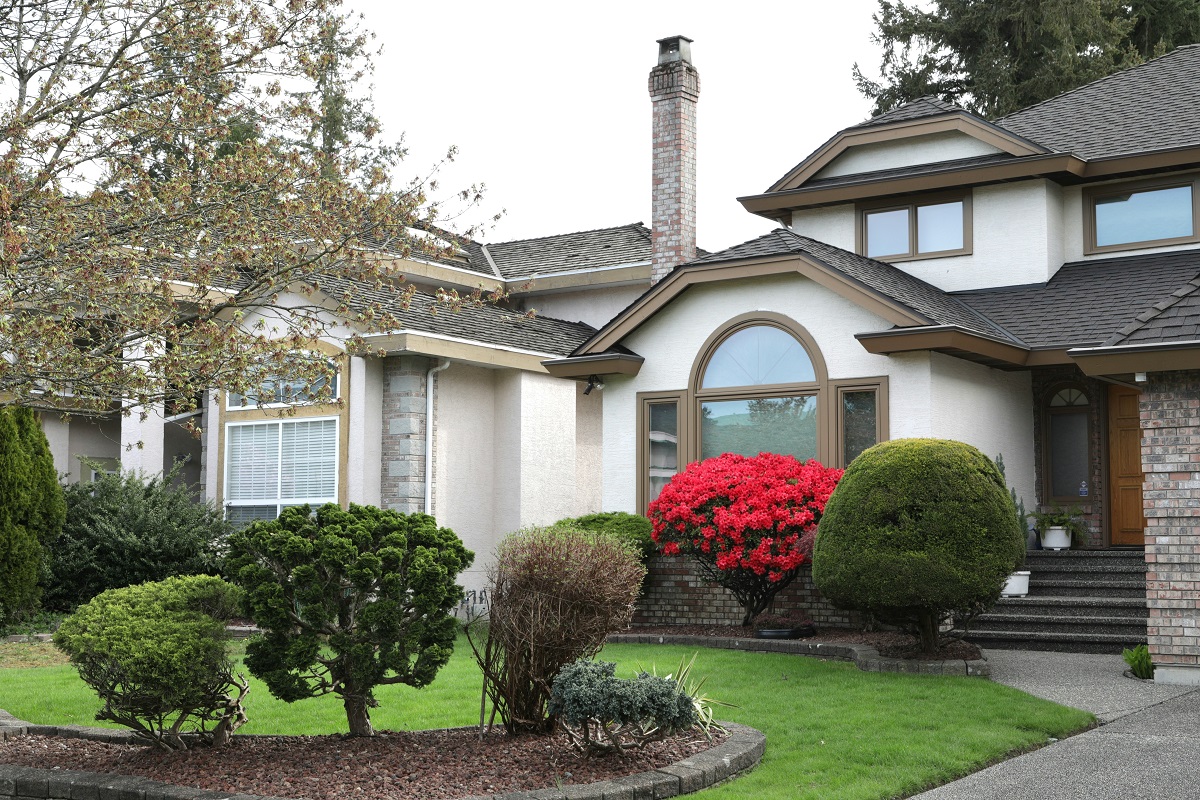
It’s easy to think of yard work as pure aesthetics, something you do because it looks nice, not because it actually changes anything financially. That’s not quite right. Curb appeal shapes the very first judgment a person makes about your home, often before they’ve even stepped out of their car. That snap judgment tends to stick, coloring how they perceive everything else, from the paint job to the square footage. This isn’t just a feeling homeowners have.
A recent survey from Thumbtack and Nextdoor found that 57% of homeowners believe a well-kept exterior can raise a home’s value by at least $20,000. That’s a striking number for something that often costs a fraction of that to achieve. A weekend of mulching, trimming, and lawn care shouldn’t logically compete with a $20,000 kitchen remodel in people’s minds, yet in terms of perceived value, it clearly does.
What the Numbers Say About Spring Yard Work
If the Thumbtack and Nextdoor figures make you raise an eyebrow, consider a second, independent data point. Research from Virginia Tech’s Cooperative Extension, cited in Lawn Love’s 2026 ROI report, examined how landscaping quality affects the way buyers perceive a home’s worth, and the findings were consistent: thoughtful landscaping can lift a property’s perceived value by roughly 5.5% to 11.4%, with the exact figure depending on your region and the quality of the design. Put those two numbers side by side and a pattern emerges.
One source measures homeowner sentiment, the other measures a more academic, appraisal-style estimate, yet both point in the same direction: yard work pays you back in ways that go well beyond curb-side pride. On a $400,000 home, an 11.4% bump translates to tens of thousands of dollars in perceived value, all from decisions you can largely make yourself with a rake, a mower, and a trip to the garden center.
What ties these two data points together is design quality and plant maturity, not necessarily how much money you throw at the project. A well-planned, well-maintained yard consistently outperforms an expensive one that’s been neglected. That’s good news if your budget this spring is modest.
Start With the Basics: Lawn, Beds, and Debris
Before you think about new plants or fancy hardscaping, get the fundamentals sorted. This is where most of the visible transformation happens, and it’s also the least expensive part of the process.
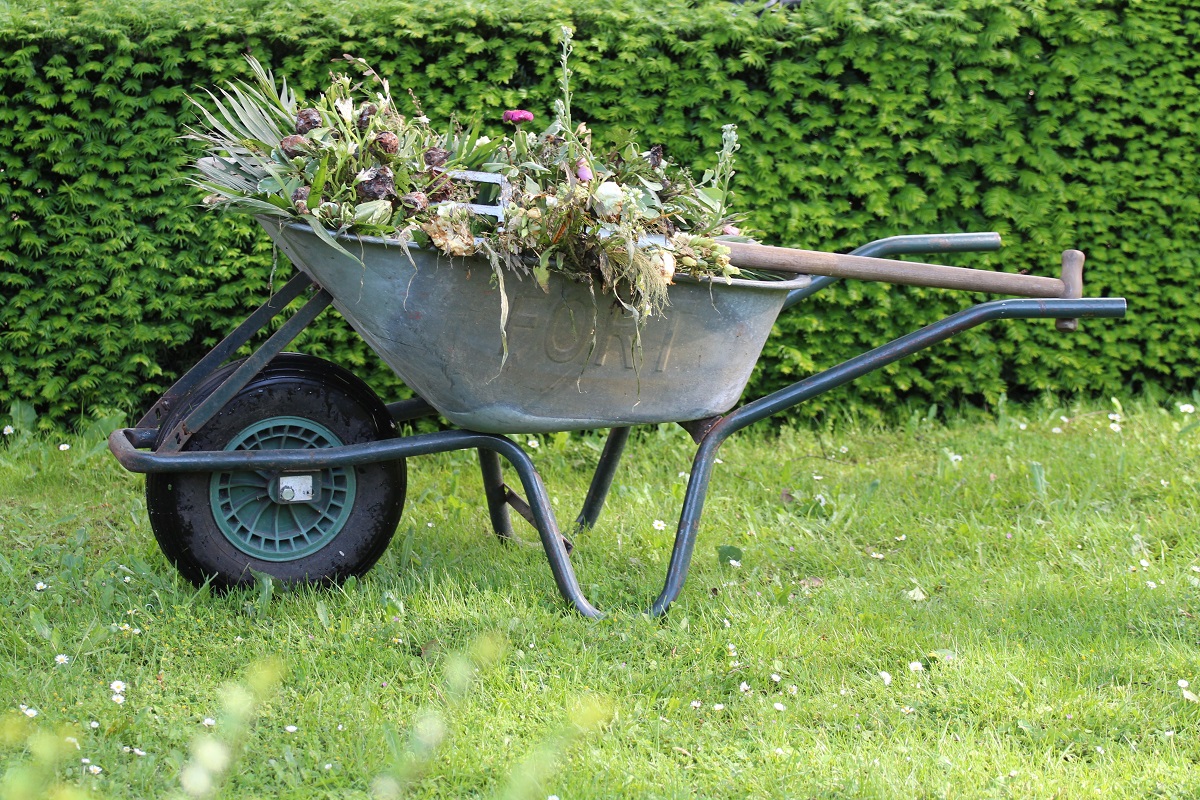
- Rake up leftover leaves, twigs, and any winter debris that’s been sitting in your beds and along your fence line
- Mow the lawn at a proper height and edge along walkways and driveways for a crisp, defined look
- Pull weeds early, before they establish deep roots and become a bigger project later in the season
- Refresh mulch in garden beds, which instantly makes plantings look intentional and cared for
- Trim back overgrown shrubs and dead branches that block windows or walkways
- Clean gutters and downspouts so water drains properly away from your foundation and landscaping
None of this requires specialized skills or a big budget. It just requires consistency. A yard that’s edged, mulched, and weed-free reads as “well cared for” even if nothing else has changed, and that impression carries weight with anyone who sees it.
Small Fixes That Make a Big Visual Difference
Once the basics are handled, it’s time to look at the details that people notice without necessarily realizing why. These are the touches that separate a yard that’s merely clean from one that actually looks inviting.
- Power wash the driveway, walkway, and porch to remove winter grime and salt stains
- Add a fresh coat of paint or stain to the front door; bold colors like navy or emerald green are trending for 2026 and create a memorable focal point
- Update house numbers or a mailbox that’s showing rust or fading
- Plant a few pots of seasonal flowers near the entryway for a pop of color that doesn’t require permanent commitment
- Replace worn or mismatched outdoor light fixtures near the entry
- Repair or repaint fencing that’s peeling or leaning
These are the kind of springtime projects that add value without demanding a big chunk of your savings. Most of them can be completed in a single afternoon, and together they change the entire feel of your home’s exterior.
Where to Splurge (and Where to Save)
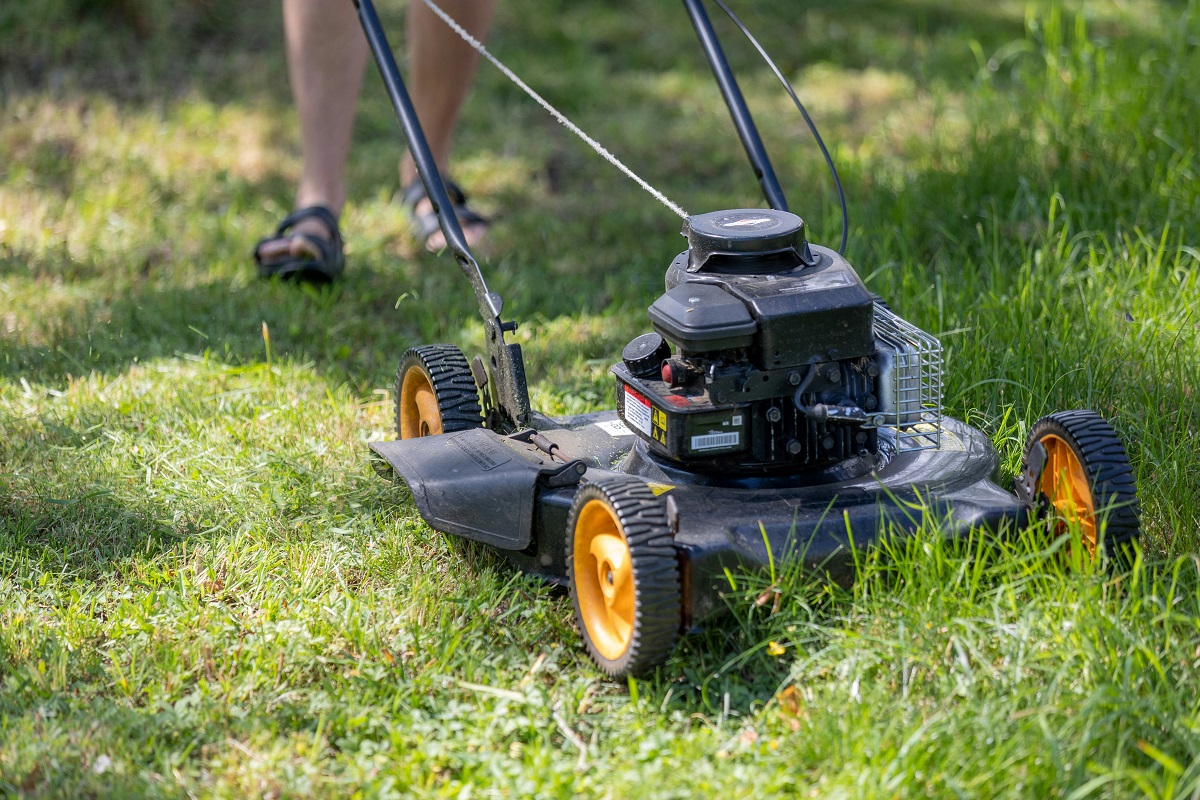
Not every yard upgrade deserves the same amount of your budget. Some projects return far more than they cost, while others are better left for personal enjoyment rather than resale value. Knowing the difference helps you spend wisely.
Basic lawn care, mulching, and tree trimming consistently rank among the highest-return outdoor investments you can make, largely because they’re inexpensive relative to the visual payoff. Outdoor lighting is another smart mid-range investment. It extends the usable hours of your yard, improves safety, and highlights your home’s best landscaping features after dark, all for a relatively modest price tag when you stick to LED fixtures.
On the other end of the spectrum, big-ticket items like in-ground pools or elaborate hardscaping tend to bring lower financial returns, even though they might make your summers more enjoyable. If your primary goal this spring is boosting curb appeal on a budget, prioritize:
- Lawn care and weed control over elaborate garden redesigns
- Mulch and defined bed edges over new hardscaping
- A repainted front door over a full exterior renovation
- Simple, well-placed lighting over expansive landscape lighting systems
Save the bigger investments, like patios or outdoor kitchens, for when you’re planning to enjoy them yourself for several years rather than expecting an immediate return.
Timing Your Cleanup for Maximum Impact
Spring cleanup isn’t a one-and-done event you check off your list in a single weekend and forget about. The homeowners who see the best results tend to spread their efforts across the season rather than cramming everything into one exhausting push right before guests arrive or a listing goes live.
Early spring is the right time for the heavy lifting: clearing debris, cutting back dead growth, and getting the lawn raked and aerated. As the weather warms, shift toward planting, mulching, and any painting or repair projects that need dry, mild conditions.
By late spring, you’re mostly maintaining momentum, mowing regularly, deadheading flowers, and keeping beds tidy. This staggered approach also means your landscaping has time to actually establish itself. Freshly planted perennials look thin and unconvincing the week they go in the ground, but given a full season, they fill out and start looking like they belong.
If you’re planning to sell later in the year, starting your cleanup in early spring gives your yard time to mature into something that photographs well and impresses in person.
Common Mistakes to Avoid
Even well-intentioned yard work can backfire if it’s rushed or poorly planned. A few missteps show up again and again, so it’s worth knowing what to watch for.
- Overplanting all at once, which can look cluttered and often overwhelms your budget for a single weekend
- Ignoring the lawn’s actual health in favor of decorative extras, since a patchy or discolored lawn undercuts everything else you’ve done
- Choosing high-maintenance plants that look great for a month and then struggle without constant attention
- Skipping small repairs like cracked walkways or peeling paint because they seem minor, when they’re often the first thing visitors notice
- Waiting until the last minute before a sale or big event, which limits your options and rarely gives new plantings time to look established
Avoiding these pitfalls is often just as valuable as the projects themselves. A yard that’s simple, healthy, and well-maintained will almost always outperform one that’s ambitious but neglected in the details.
In a Nutshell
A spring yard cleanup doesn’t need to be complicated or expensive to make a real difference. Focus on the fundamentals first, tackle the small details that catch the eye, and spread your efforts out over the season so everything has time to look established. The data backs up what most homeowners already sense intuitively: a well-kept exterior shapes how people value your home, whether that’s a friend pulling into your driveway or a buyer forming a first impression from the sidewalk. Grab your gloves, clear out the winter debris, and let your yard do some of the talking this spring.