Key Takeaways:
- Loose closet bolts are the most common cause of a wobbly toilet and the easiest to fix — just tighten them gradually, alternating sides, without overdoing it.
- A worn or compressed wax ring is often the real culprit behind ongoing wobble, especially if the toilet has been rocking for a while before you noticed.
- Older homes are more vulnerable because original cast iron flanges corrode over time and wood subfloors can warp from years of bathroom humidity.
- Spinning bolts that never tighten signal a bigger problem — usually a cracked or stripped flange that needs repair or replacement rather than a simple tightening job.
- Ignoring the wobble is the costly mistake — leaks from a failed wax ring can lead to subfloor rot, mold, and even sewer gas seeping into the bathroom.
- Musty odors, soft flooring, or stains are warning signs that water damage has likely already started underneath the toilet.
- Simple fixes are affordable, but full repairs involving subfloor damage or flange replacement are best left to a plumber to avoid turning a small issue into a major renovation.
If you sit down and feel your toilet rock even a little, don’t ignore it. A wobbly toilet isn’t just annoying — it’s usually your bathroom’s way of telling you something underneath has started to fail. This is especially true in older homes, where original fittings, aging subfloors, and decades of settling can all team up against you. The good news is that most causes are easy to diagnose and, in many cases, easy to fix yourself with basic tools and an afternoon to spare.
This guide walks through why toilets start wobbling, how to figure out which of the usual suspects is behind yours, and what to do about it before a simple annoyance turns into a real repair bill.
Why Older Bathrooms Are More Prone to Wobbling
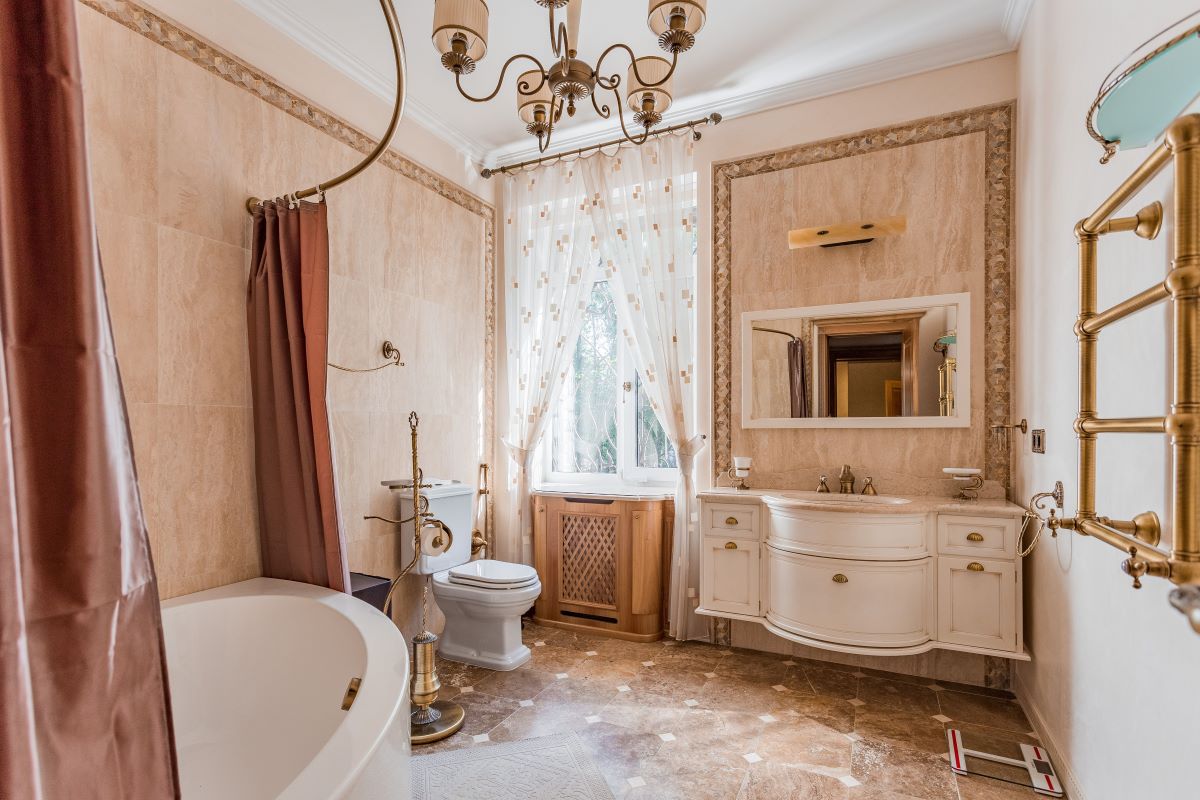
Newer bathrooms tend to have flat, well-supported subfloors and modern fittings that hold up for years without much attention. Older bathrooms are a different story. Wood subfloors in vintage homes can warp slightly over time, especially with the constant humidity that comes from decades of showers and baths. Original cast iron or steel flanges are also common in these houses, and metal like that corrodes with age until there’s barely anything left for the bolts to grip onto. This corrosion issue shows up often in homes with original cast iron flanges, where rust can eventually eat through the metal until the bolts no longer have anything solid to hold onto. Once that happens, tightening the bolts won’t do much good, because the flange itself has lost its structural integrity.
Floors settle too. Older houses shift on their foundations over the years, and even a slight dip or high spot under the toilet base is enough to create a persistent rocking motion.
Common Causes of a Wobbly Toilet
Before grabbing tools, it helps to understand what’s actually happening under the toilet. There are a handful of usual culprits, and identifying the right one saves you from wasting time on a fix that won’t stick.
- Loose closet bolts. These are the two bolts anchoring your toilet to the flange, usually hidden under small plastic caps at the base. Closet bolts are responsible for securing the toilet to the floor flange, and over time they can loosen, causing the toilet to wobble. This is typically the first thing worth checking.
- A worn or compressed wax ring. This ring sits between the toilet and the flange, forming a watertight barrier while also cushioning the base, and over time it can compress, dry out, or shift, particularly if the toilet has been rocking for a while.
- A damaged or corroded flange. The flange connects your toilet to the drainpipe. If it cracks or corrodes, the whole base loses its anchor point, no matter how tight you get the bolts.
- An uneven floor. Tile, wood, or vinyl flooring can develop slight dips or high spots under the toilet, which rocks the base even when everything else is in good shape.
- A poor original installation. Sometimes the toilet simply wasn’t set level or the bolts weren’t tightened correctly when it went in, and the problem has been building ever since.
Here are some red flags to watch out for in older bathrooms: musty smells near the base, discolored or soft flooring around the toilet, ceiling stains in the room below, or bolts that spin freely without ever tightening. Any of these point to damage that’s already underway, not just a loose fixture.
How to Diagnose the Problem Yourself
Start simple. Gently rock the toilet side to side and front to back with your hand to get a feel for how much movement there is and where it seems to originate. Then pop off the plastic caps at the base and see whether the bolts are snug or spin freely.
- If the bolts tighten normally and the wobble stops, you likely just had loose bolts.
- If the bolts spin without ever catching, the threads may be stripped or the flange underneath is compromised.
- If the toilet still rocks after tightening, check for uneven flooring by looking closely at the tile or subfloor around the base.
- If you notice soft spots, discoloration, or a lingering odor, there’s a good chance water has already gotten under the toilet and started affecting the subfloor.
Industry data backs up how common these individual issues are. Plumbers frequently report that more than half of the wobbly toilet service calls they receive trace back to loose bolts, which is exactly why that’s the first thing worth ruling out. But delaying a fix carries its own risk: home inspectors often find that 30 to 40 percent of toilets need to be stabilized specifically because movement was ignored long enough for the wax ring to fail and let moisture reach the subfloor.
Step-by-Step: Tightening Loose Bolts
This is the easiest fix and the one you should try first, since it takes only a few minutes and doesn’t require removing the toilet.
- Pry off the plastic caps covering the bolts at the base using a small flathead screwdriver.
- Use an adjustable wrench to tighten the nuts, working a little at a time and alternating between the two sides so the toilet tightens down evenly.
- Stop as soon as the toilet feels snug. Overtightening is a real risk here, since too much pressure can crack the porcelain base.
- Replace the plastic caps once you’re satisfied with the fit.
- Sit on the toilet and rock gently to confirm the wobble is gone.
If the bolts simply spin without ever gripping, that’s a sign the threads are stripped or the flange isn’t holding them properly, and you’ll need to move on to a more involved repair.
Step-by-Step: Replacing the Wax Ring
If tightening the bolts didn’t solve it, or if you’re noticing odors or water at the base, the wax ring is the next thing to check. This job takes more effort since it requires removing the toilet completely, but it’s still very doable as a weekend project.
- Shut off the water supply valve and flush the toilet to clear the tank and bowl.
- Disconnect the water supply line and remove the caps and nuts from the closet bolts.
- Carefully lift the toilet straight up and set it aside on a towel or drop cloth.
- Inspect the old wax ring and the flange underneath for damage, corrosion, or signs of moisture.
- Scrape away the old wax and clean the flange thoroughly.
- Install new closet bolts if the old ones look worn.
- Set a new wax ring or a flexible rubber gasket onto the flange.
- Lower the toilet back into place slowly, lining it up with the new bolts, and press down evenly to seat the seal.
- Reattach the nuts, replace the caps, and reconnect the water supply.
A flexible rubber gasket is worth considering over a traditional wax ring if you’ve had wobble issues before, since it tends to hold its seal better through minor movement.
When the Flange or Subfloor Is the Real Problem
Sometimes bolts and wax rings aren’t enough, and the issue runs deeper. This is more common in older homes than newer ones, simply because the materials have had more time to break down.
A cracked, corroded, or low flange means the toilet has nothing solid to anchor to, and no amount of tightening will hold it steady for long. In that case, you’ll need either a flange repair kit, which builds up a new lip for the bolts to grip, or a full flange replacement if the damage is extensive. Homes with original cast iron plumbing are especially prone to this, since the metal corrodes from the inside out over decades of use.
Subfloor damage is the more serious scenario. If water has been leaking from a failed wax ring for a while, the wood underneath can soften, rot, or grow mold. A soft or spongy feeling in the floor around the toilet base is the clearest sign of this. Fixing it means removing a section of subfloor and patching it before the toilet goes back in, which is a bigger job but one that prevents a much larger flooring repair down the road. One documented repair case involved a homeowner who noticed a musty smell and slight rocking, tried tightening the nuts for a temporary fix, and eventually found a flattened wax ring along with a soft patch of subfloor near one bolt once the toilet came up. The full repair, including new bolts, a new wax ring, and a subfloor patch, came in at around 350 dollars — a much smaller bill than what a neglected leak could have caused if it had spread further under the finished flooring.
When to Call a Plumber Instead of DIYing It

Plenty of wobbly toilet fixes are well within reach for a confident DIYer, but there are moments where bringing in a professional makes more sense.
- The bolts spin freely and never tighten, which usually means the flange is cracked or stripped.
- The toilet is still unstable after you’ve tightened the bolts and shimmed the base.
- You notice water stains, soft flooring, or ceiling damage in the room below, suggesting the leak has already spread.
- The flange needs full replacement rather than a repair kit, which can involve cutting into the drainpipe.
- You’re dealing with an older cast iron system and aren’t confident working with that kind of plumbing.
A rocking toilet that seems minor can, if ignored, lead to a wax ring failure and water intrusion, and from there to sewer gas leaking into the bathroom and increased wear on the surrounding fixtures. None of those problems get cheaper by waiting.
Preventing the Wobble From Coming Back
Once you’ve fixed the issue, a little maintenance goes a long way toward keeping it from returning, especially in an older bathroom where materials are already working harder than they used to.
- Check the closet bolts for tightness every year or so, particularly if the bathroom sees heavy use.
- Avoid standing or leaning heavily on the toilet, since repeated stress speeds up wear on the seal and bolts.
- Keep an eye out for early warning signs like faint odors, slight movement, or discoloration near the base, and address them right away rather than waiting.
- If your home still has its original cast iron flange, consider having a plumber inspect it during your next plumbing checkup, since corrosion is often invisible until it’s already caused damage.
- Use a flexible gasket instead of a traditional wax ring if your bathroom floor isn’t perfectly level, since it tolerates minor movement better.
A wobbly toilet in an older home is rarely just about the toilet itself. It’s usually a small signal from a plumbing system that’s been quietly aging for decades, and catching it early is what separates a thirty-minute fix from a full bathroom renovation.
Wrapping Up
A rocking toilet is one of those small household annoyances that’s easy to put off, but in an older bathroom it’s worth taking seriously. Start with the simple stuff, tightening bolts and checking the wax ring, before assuming you need a bigger repair. If those don’t solve it, the flange or subfloor is probably the real issue, and that’s the point where getting a plumber involved will save you time, money, and a lot of frustration down the line. Either way, the sooner you deal with the wobble, the less likely it is to turn into something bigger.