Key Takeaways
- A tidy, well-structured living space can dramatically cut down the time and effort required for routine upkeep each week.
- Decluttering is the single most impactful starting point, since fewer belongings mean fewer surfaces, shelves, and corners to clean.
- Assigning every item a dedicated storage spot prevents the slow creep of mess and makes resetting a room much faster.
- Vertical storage, multi-use furniture, and hidden compartments help compact spaces feel roomier and more functional.
- Building a simple zone-based cleaning schedule keeps weekly tasks manageable instead of overwhelming.
- Involving the whole household and using the right tools ensures that systems stay sustainable long term.
- Small, consistent habits done daily prevent the need for big, exhausting cleanup sessions on the weekend.
Living in a smaller footprint has plenty of perks: lower bills, less square footage to vacuum, and a cozier feel. But it also means that clutter builds up faster, surfaces fill up quicker, and one messy afternoon can make the entire place feel chaotic. The good news is that a few smart systems can turn weekly tidying into a short, almost enjoyable task.
Most people underestimate just how much time they spend cleaning. According to the American Cleaning Institute, households dedicate around six hours a week to cleaning tasks on average. That is nearly a full workday every week. If you can trim even a fraction of that by setting up smarter storage and routines, you buy back real hours of your life.
The strategies below walk you through the entire process, from the first decluttering pass to the ongoing habits that keep things running smoothly. Take them one step at a time rather than trying to overhaul everything in a single weekend.
Start with a Ruthless Declutter
Before you buy a single bin or label, you have to cut down what you own. Clutter is the single biggest reason small spaces feel harder to clean. The less you own, the less you have to wipe around, move, or put away.
The payoff is enormous. According to research from the Soap and Detergent Association, eliminating clutter can reduce housework by roughly 40 percent in the average home. That is a staggering return on the effort of a single thorough purge.
Work room by room, and be honest. If you have not used something in a year, odds are you will not miss it. Keep four piles going as you sort:
- Keep and use regularly
- Donate or sell
- Recycle or toss
- Store elsewhere (seasonal or sentimental)
Finish one area completely before moving to the next, so you can actually see your progress. Momentum matters more than perfection here.
Tackle the Hidden Hot Spots
Every home has clutter magnets: the junk drawer, the entryway table, the top of the dresser, the bathroom counter. Hit these first because they set the tone for the whole space. Once you clear them and give every surviving item a home, they stop re-collecting junk.
How to Organize a Compact Home Room by Room
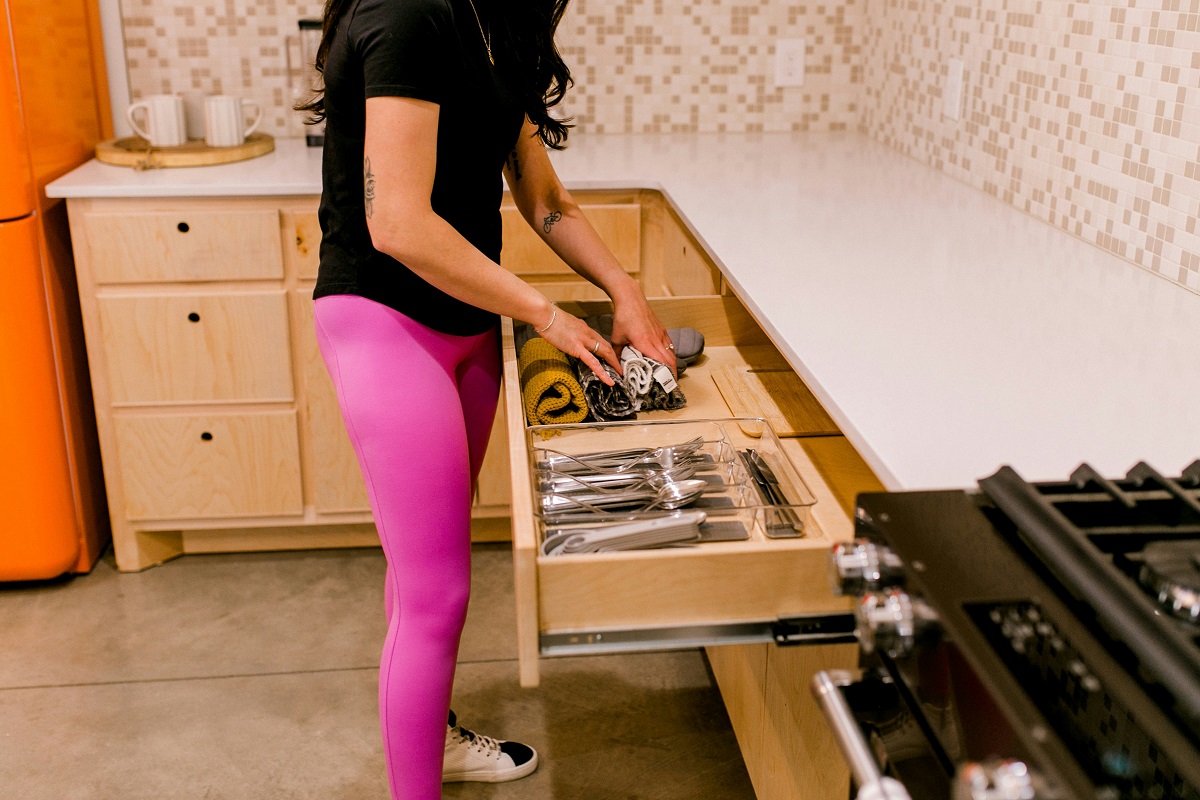
Once you have decluttered, the next step is deciding where everything lives. This is really where learning how to organize a small home pays off, because thoughtful placement is what keeps things usable long term. Every item should have a single, obvious spot you can return it to in seconds, and that spot should make sense based on when, where, and how often you actually use the item. The goal is to eliminate the small moments of friction — the hunting, the shuffling, the “I’ll put it away later” — that quietly undo your efforts to organize home spaces week after week.
Start with the rooms you use most: the kitchen, the bathroom, and the main living area. In the kitchen, group items by task. Baking tools in one cabinet, daily dishes in another, snacks on one shelf. Keep the appliances you use daily, like the coffee maker or toaster, on the counter, and tuck the ones you only pull out occasionally into a lower cabinet or pantry. In the bathroom, use drawer dividers, stackable acrylic bins, and over-the-door racks to carve out zones for skincare, hair tools, medications, and backup toiletries. A small turntable under the sink can turn a chaotic cabinet into something you can actually see into. In the living room, give remotes, chargers, and blankets dedicated baskets or trays so surfaces stay clear, and consider a single charging station near an outlet rather than letting cords migrate to every table.
If you recently moved, this is also a perfect moment to reset things properly. There are some helpful tips on organizing your new home after moving that pair well with the room-by-room approach, especially for bedrooms and closets. Treat each space as its own mini-project and resist the urge to shuffle items between rooms indefinitely. Finish one room completely — decluttered, sorted, labeled, and wiped down — before moving to the next, even if it takes a full weekend per space. A finished room gives you a visible win and a working template you can apply to the next one, whereas five half-done rooms tend to collapse back into clutter within a week.
Use Vertical and Hidden Storage
In tight square footage, your walls and the undersides of furniture are gold. Install floating shelves above doorways, add hooks inside cabinet doors, slide flat bins under the bed, and choose ottomans or benches that open up for storage. A pegboard in the kitchen or garage can hold dozens of tools without taking up floor space. Look for other overlooked zones too: the back of the bathroom door for a hanging organizer, the gap above the refrigerator for a slim basket of rarely used bakeware, or the wall beside your entryway for a row of hooks that keeps bags, keys, and leashes off the floor. Tall, narrow bookcases make better use of a small footprint than wide, low ones, and tension rods inside cabinets can create instant vertical dividers for cutting boards, baking sheets, and cleaning sprays.
Build a Weekly Cleaning Schedule That Actually Works
With a clean, organized space to start from, you can stop cleaning reactively and build a repeatable rhythm. The trick is to split tasks across the week instead of saving everything for one dreaded day. When your home is already decluttered and each item has a logical home, cleaning becomes maintenance rather than crisis management, which is exactly why learning how to organize a small home pays dividends every single week.
Try assigning a focus to each day so nothing piles up. A simple weekly structure might look like this:
- Monday: Kitchen deep wipe and appliance surfaces
- Tuesday: Bathrooms (toilets, sinks, mirrors, floors)
- Wednesday: Dusting and surface polishing
- Thursday: Vacuum and mop all floors
- Friday: Laundry, bedding, and towels
- Saturday: Quick tidy and reset for the week ahead
- Sunday: Rest or meal prep
This spreads the load into 15 to 20 minute blocks rather than three-hour marathons. It also means that if you skip a day, you have only lost one small task, not the whole week’s cleaning. Short, predictable sessions are much easier to stick with long-term, especially if you work full time, care for kids, or simply find weekend cleaning soul-crushing. You can even set a timer on your phone and treat it like a sprint, which builds momentum and prevents perfectionism from eating up your evening.
Adapt the structure to your actual lifestyle rather than copying it verbatim. If you cook heavily on weekends, move the kitchen deep wipe to Sunday night. If you host guests often on Fridays, shift the bathroom day earlier in the week so everything sparkles when people arrive. The point isn’t rigidity — it’s building a rhythm you don’t have to think about. Pair each task with an existing habit, like running the dishwasher after dinner or tossing a load of laundry in before your morning coffee, and the schedule starts to feel automatic instead of imposed.
It also helps to keep a small “daily reset” layered on top of the weekly plan: five minutes each evening to put shoes away, wipe the kitchen counters, and clear the coffee table. This tiny ritual protects the organizing work you’ve already done and keeps clutter from quietly rebuilding between scheduled cleaning days.
Delegation matters too. Housework is still unevenly split in many homes, with Bureau of Labor Statistics American Time Use Survey data showing that in 2025, women were about twice as likely as men to do housework on any given day. A clear schedule posted on the fridge helps every household member see what needs doing and claim their share. Consider rotating tasks monthly so no one feels permanently stuck with the toilets, and assign age-appropriate chores to kids — even a four-year-old can match socks or wipe baseboards. When you organize home responsibilities as openly as you organize home spaces, the mental load lifts off whoever has been quietly carrying it, and the whole system becomes genuinely sustainable.
Create Systems That Keep Clutter from Coming Back
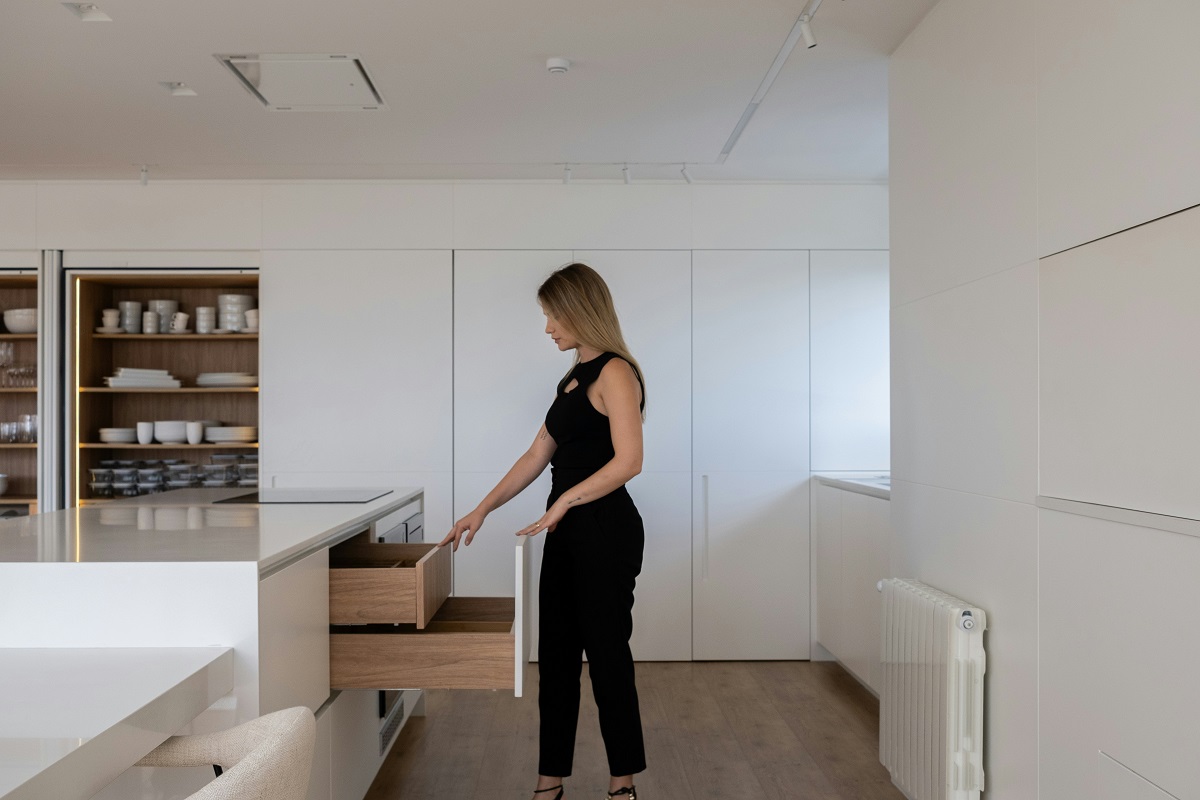
The best way to organize home life long term is to design systems that stop mess before it starts. Once you have a place for everything, protect those spots with simple daily rituals.
Try a nightly ten-minute reset. Walk through each room and put anything that wandered back where it belongs. Wipe the kitchen counters. Fluff the couch cushions. These tiny acts prevent the slow buildup that makes Saturday morning feel overwhelming.
Set up catch systems for the items that cause the most friction. A mail sorter near the entryway. A charging station on one shelf. A dedicated drop zone for keys, wallets, and bags. When items have a predictable landing pad, they stop ending up on random surfaces. This also saves serious time, because according to data compiled from the U.S. Bureau of Labor Statistics and YouGov, the average adult loses 17 hours a year searching for misplaced things. That is more than two full workdays gone to hunting for your keys.
Make Maintenance Part of the System
Organization is not only about where things sit on shelves. It also means staying on top of the physical parts of your home that quietly affect how clean it feels. Leaky faucets, dusty vents, and worn weather stripping all contribute to grime building up faster than it should. Investing in home maintenance solutions to keep your home running smoothly means fewer surprise messes and less deep scrubbing down the road.
Pick Tools That Do More with Less
In a compact space, your cleaning arsenal should be as streamlined as your belongings. Bulky mop buckets, duplicate sprays, and a closet full of single-use gadgets eat up storage and slow you down. Choose a handful of versatile products that cover most jobs:
- A cordless stick vacuum that mounts on the wall
- One all-purpose spray safe for multiple surfaces
- Microfiber cloths in a few colors for different zones
- A flat spray mop with washable pads
- A compact caddy that carries everything from room to room
When your supplies live in one grab-and-go container, you stop wasting minutes hunting for the right bottle or walking back and forth to the cabinet. Keep a duplicate mini kit in the bathroom for quick touch-ups between full cleans.
Keep Supplies Accessible but Contained
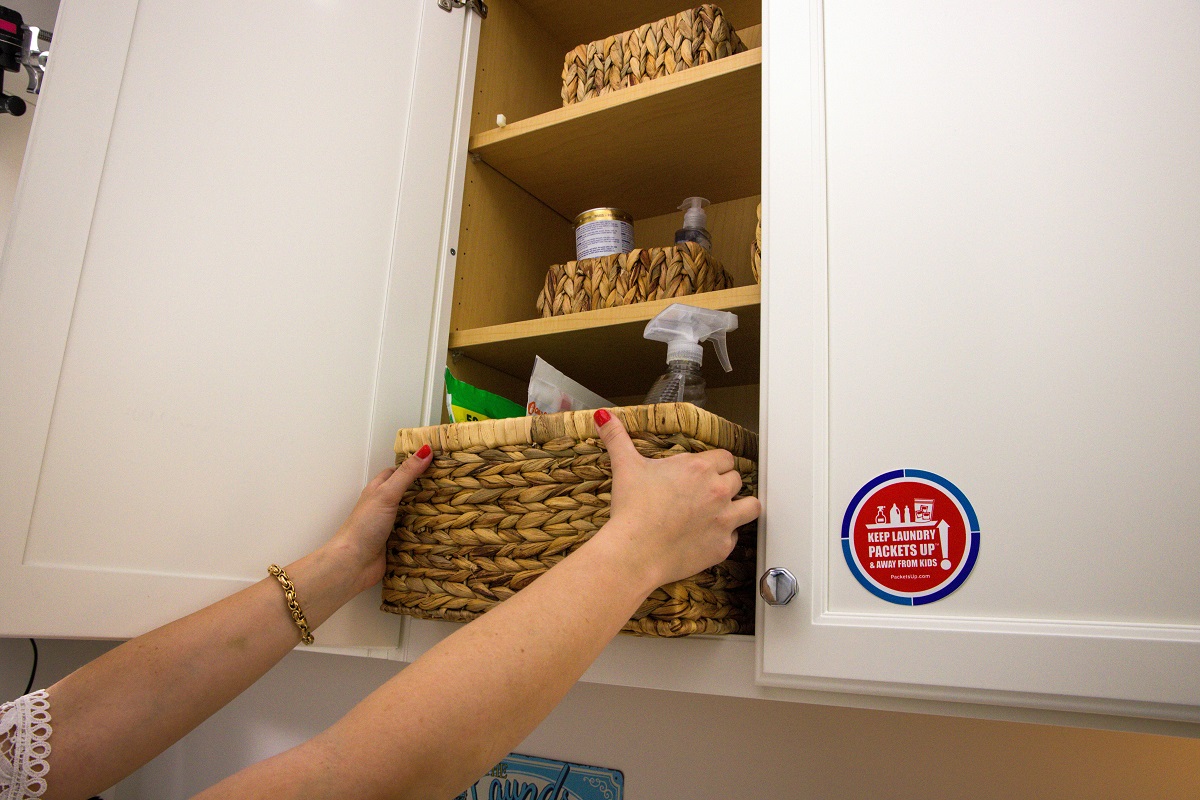
Store cleaning gear close to where you use it most. A small bin under each sink works better than one giant stash in a hallway closet. If you share your home with kids or pets, use locking cabinets or high shelves for anything hazardous. Pairing smart storage with essential maintenance tips helps you catch small issues before they turn into cleaning nightmares later.
Get the Whole Household on Board
No system survives if only one person runs it. Sit down with everyone who lives in your space and walk through the new zones, schedules, and drop spots. When people understand why something lives where it does, they are far more likely to put it back.
Assign age-appropriate tasks to kids, from sorting laundry to wiping baseboards. Rotate the less popular chores so no one feels stuck with the worst job every week. Post the schedule somewhere visible and check it off together. The goal is a shared rhythm, not a solo performance.
For partners or roommates, split tasks by preference when possible. Someone who hates dishes might happily handle vacuuming. Honest conversations about workload prevent resentment and keep the system fair.
Build Habits That Stick
Even the best storage plan falls apart without small daily habits backing it up. Try pairing new routines with ones you already have. Wipe the shower walls while your conditioner sits. Load the dishwasher while coffee brews. Sort mail the moment you walk in the door. These micro-habits take under a minute each but prevent hours of catch-up work later.
Give yourself grace in the first few weeks. New patterns take time to feel automatic, and life will throw off your schedule sometimes. The point is not perfection but consistency over the long haul. A home that gets reset a little every day rarely needs a dramatic rescue.
Final Thoughts
A compact home does not have to mean constant cleaning or a never-ending battle with clutter. When you pair a thoughtful purge with smart storage, a realistic weekly schedule, and simple daily habits, upkeep becomes a background task rather than a weekend-devouring chore. The systems you build now pay off every single week for years to come.
Remember that this is a process, not a one-time project. Your needs will shift as seasons change, new items enter the house, and routines evolve. Revisit your zones every few months, prune what no longer serves you, and tweak the schedule when it stops fitting your life. Flexibility keeps the whole system alive.
Most importantly, enjoy the space you have created. A calm, orderly home gives back far more than the time it saves on cleaning. It lowers stress, sharpens focus, and makes the hours you spend at home feel genuinely restful. Start with one drawer, one shelf, or one room, and let the momentum carry you from there.