
Owning a home is perhaps the most significant investment a person will ever make, representing both a financial anchor and a sanctuary for personal growth. However, the true value of a property is not static; it requires consistent attention, thoughtful upgrades, and a proactive approach to maintenance to ensure it remains a safe and comfortable environment. Whether you are a first-time homeowner or have lived in your residence for decades, understanding the balance between aesthetic improvements and structural upkeep is crucial. A well-maintained home doesn’t just look better—it functions more efficiently, costs less to run in the long term, and provides peace of mind against the unpredictable elements of nature.
In the following guide, we will explore the various facets of home management in extreme detail. We will delve into the critical aspects of protecting your home’s exterior, the importance of maintaining internal systems, and how to approach renovations that truly add value. By focusing on the needs and goals of the homeowner, this article aims to provide a roadmap for long-term property success. From the peak of your roof to the depths of your foundation, every element of your house plays a role in the greater ecosystem of your living space. We will examine how professional intervention and personal diligence combine to create a home that lasts for generations.
Assessing The Integrity Of Your Protective Outer Shell
The exterior of your home serves as the first line of defense against rain, wind, and fluctuating temperatures. Over time, even the most durable materials can succumb to wear and tear. One of the most common issues homeowners face is the gradual degradation of roofing materials. It is wise to perform a visual inspection at least twice a year, looking for cracked shingles, missing granules, or signs of sagging. Ignoring these minor issues can lead to significant water damage inside the walls. Engaging with professional residential roofing services can help identify hidden vulnerabilities that are not visible from the ground, such as compromised flashing or internal rot.
Beyond the roof, the siding and windows also play a major role in protection. If you notice drafts or condensation between glass panes, it may be time to consider modern replacements. Upgrading to high-quality windows can significantly reduce energy bills while enhancing the overall look of your property. When selecting new features, looking for the best hurricane impact windows brands is particularly important for those living in coastal regions or areas prone to high winds, as these provide an extra layer of security and insulation. These specialized windows use laminated glass and reinforced frames to ensure that even during extreme weather, your home’s envelope remains unbreached.
Managing Water Runoff And Protecting The Home Foundation
Water is the silent enemy of any building. If moisture is allowed to pool around the base of your home, it can lead to soil erosion and hydrostatic pressure, which eventually causes cracks in the foundation. Ensuring that your gutters are clean and that downspouts direct water at least five feet away from the house is a simple but effective maintenance task. For homes with basements or crawlspaces, the risk of moisture intrusion is even higher. Investing in professional basement waterproofing is one of the most effective ways to prevent mold growth and maintain a healthy indoor air quality. This process often involves interior sealants or drainage systems that redirect water away from living areas.
In addition to surface-level management, long-term structural health often requires more intensive solutions. If your home is situated in a low-lying area or has a history of dampness, you should investigate comprehensive foundation waterproofing techniques. This process creates an impermeable barrier that keeps the underlying structure dry and stable. By addressing these issues before they become emergencies, you save yourself from the massive costs associated with structural repairs and foundation stabilization later on. A dry foundation is the literal bedrock of a healthy home, preventing the shifting and settling that leads to cracked drywall and misaligned doors.
Ensuring Longevity Through Regular Roof Maintenance
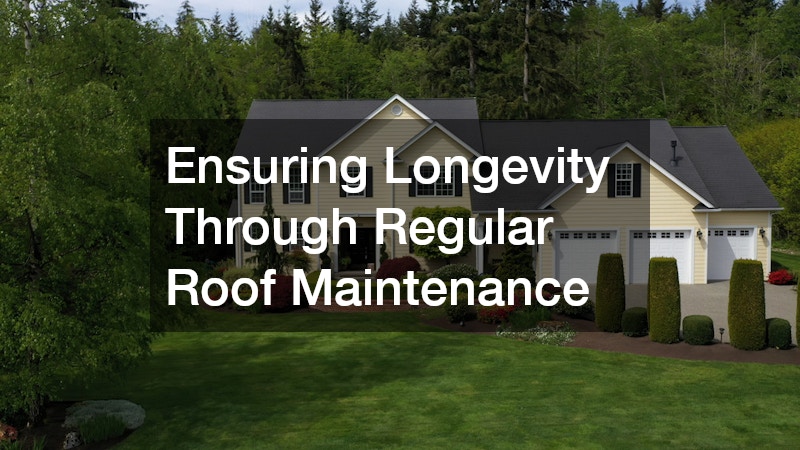
While the roof was mentioned as part of the exterior shell, its complexity deserves a dedicated focus. Different climates require different roofing materials and maintenance schedules. For instance, in areas with heavy snowfall, the weight and moisture of the snow can stress the rafters and cause ice damming, which forces water under the shingles. Routine check-ups are essential. If you spot a leak or a damaged section early, a targeted roof repair can extend the life of the entire system by several years, preventing the need for a full and expensive replacement. This localized approach is both cost-effective and environmentally friendly.
For more extensive projects, such as when the shingles have reached the end of their natural lifespan, you should consult with a reputable residential roofing contractor. These experts can guide you through the selection of materials—ranging from traditional asphalt to modern metal roofing—that best suit your home’s architecture and your local climate. A high-quality roof replacement is not just a repair; it is a significant upgrade that improves the home’s insulation and resale value. Modern roofing systems often include advanced ventilation components that help regulate the temperature of your attic, further protecting the wood from dry rot and heat damage.
Optimizing Interior Comfort And Energy Efficiency
Interior maintenance is just as important as the exterior. The climate control systems in your home, including your furnace and air conditioner, require regular servicing to run efficiently. During the colder months, the reliability of your heating system becomes paramount. Many homeowners in traditional settings still rely on oil heat, and staying on top of your fuel supply is critical. Researching reliable home heating oil companies ensures that you have a steady supply and that your system is maintained by technicians who understand the nuances of oil-based heating. Regular burner cleaning and filter changes can significantly reduce fuel consumption and extend the life of the furnace.
Additionally, small upgrades to the interior can lead to large gains in comfort. Adding insulation to the attic, sealing gaps around doors with weatherstripping, and installing a programmable thermostat are all cost-effective ways to manage energy consumption. These steps not only make the home more pleasant to live in but also reduce the carbon footprint of your household. When the internal environment is stable and well-regulated, the wear and tear on other household components—like wood flooring that expands and contracts with humidity—is minimized. Efficient homes are also significantly more attractive to buyers should you ever decide to sell.
Upgrading High-Traffic Areas For Style And Function
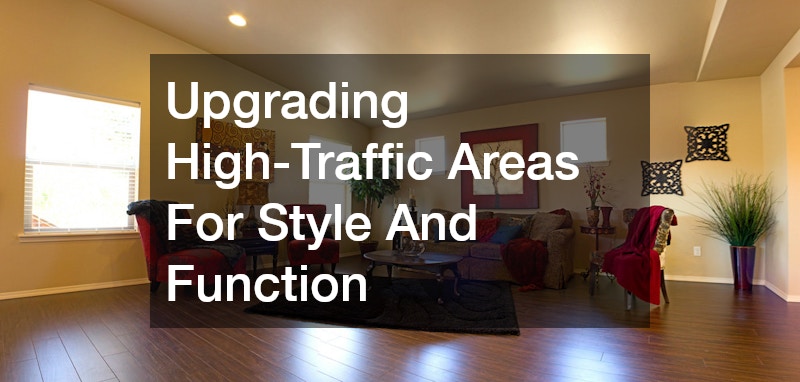
When it comes to remodeling, the bathroom and kitchen are often the two areas that provide the highest return on investment. A dated bathroom can make an entire home feel older than it is, and it may also harbor hidden leaks behind old fixtures. Modernizing these spaces often involves updating fixtures, improving lighting, and replacing old tile with more durable, slip-resistant options. Collaborating with experienced bathroom remodeling contractors allows you to maximize the utility of small spaces while creating a spa-like atmosphere that enhances your daily routine. They can help with layout changes that improve the flow and accessibility of the room.
Modern design trends favor clean lines, neutral palettes, and natural materials like stone and wood. Integrating these elements can transform a purely functional room into a highlight of the home. Beyond aesthetics, remodeling offers the chance to upgrade plumbing and electrical systems that may be hiding behind the walls. This dual approach—improving both the look and the “bones” of the room—is the secret to a successful renovation that stands the test of time. High-quality finishes, such as quartz countertops or custom cabinetry, ensure that the remodel remains relevant and durable for many years to come.
Selecting The Right Professionals For Your Projects
The success of any home improvement project, whether it is a minor fix or a major overhaul, depends heavily on the quality of the labor. It can be tempting to try and “DIY” everything to save money, but specialized tasks like roofing or structural work carry high risks if done incorrectly. For large-scale exterior work, finding a trusted residential roofing company is vital. A professional company brings the necessary licensing, insurance, and warranty protections that a general handyman might lack. They also have the specialized equipment needed to perform work safely on steep pitches.
Furthermore, building a relationship with local roofing contractors can be beneficial for emergency situations, such as storm damage. Local professionals are familiar with the specific building codes in your area and the weather patterns that your home must withstand. They can provide tailored advice that out-of-town companies might miss, such as which materials hold up best against local humidity or salt air. Always check references, read reviews, and ask for detailed quotes before committing to a contractor for any home project. Good communication from the start is the best indicator of a successful working relationship.

Enhancing Curb Appeal And Landscape Maintenance
While the structural components of a home are vital, the aesthetic presentation of the property—often referred to as curb appeal—plays a significant role in its perceived value. Landscaping is not just about planting flowers; it involves grading the land to ensure water flows away from the house, maintaining trees so they don’t drop heavy limbs on the roof, and ensuring that walkways are safe and well-lit. Overgrown shrubbery can trap moisture against the siding, leading to rot and pest infestations. Keeping plants trimmed and mulch refreshed is a simple way to maintain the health of the home’s exterior walls.
Hardscaping, such as patios, decks, and retaining walls, also requires regular upkeep. Wood decks should be stained and sealed every few years to prevent UV damage and water absorption. Stone paths should be checked for tripping hazards or shifting stones. These outdoor living spaces expand the usable square footage of your home and provide areas for relaxation and entertainment. By treating the yard as an extension of the interior, you create a cohesive and welcoming environment. Strategic lighting can also highlight architectural features and improve security during the evening hours.
Long Term Planning For Major System Replacements
No mechanical system lasts forever. A wise homeowner maintains a “replacement calendar” to track the age of major appliances and systems. This includes the water heater, the HVAC unit, the electrical panel, and even the kitchen appliances. By knowing the average lifespan of these items, you can budget for their eventual replacement before they fail catastrophically. For example, a water heater typically lasts 8 to 12 years; replacing it at year 10 is much less stressful than dealing with a flooded basement on a Sunday night.
Electrical safety is another area where long-term planning is essential. Older homes may have outdated wiring that cannot handle the power demands of modern electronics and appliances. Upgrading to a 200-amp service or installing Arc Fault Circuit Interrupters (AFCIs) can prevent electrical fires. Similarly, plumbing systems made of galvanized pipe or polybutylene should be monitored for corrosion and replaced with modern copper or PEX tubing. These “invisible” upgrades don’t add the same visual flair as a new kitchen, but they are far more important for the safety and longevity of the household.
Navigating The Design Process For Personalization
Once the structural and mechanical needs of the home are met, the focus can shift to personalization. Interior design is the art of making a space reflect the personality and lifestyle of its inhabitants. This process begins with understanding how you use each room. Do you need a quiet home office, a vibrant playroom for children, or an elegant dining area for hosting? Choosing a color palette is often the first step in creating a mood. Cool blues and greens create a sense of calm, while warm terracottas and yellows can make a large room feel more intimate.
Furniture selection should prioritize both comfort and scale. Oversized furniture in a small room can make it feel cramped, while small pieces in a large space can feel lost. Textures—such as velvet pillows, wool rugs, and linen curtains—add depth and visual interest without cluttering the space. Art and personal mementos are the finishing touches that turn a house into a home. By taking a slow, intentional approach to decorating, you ensure that every item in your home serves a purpose or brings you joy, leading to a more harmonious living environment.

The Importance Of Routine Seasonal Inspections
Maintenance is most effective when it is consistent. Creating a seasonal checklist helps ensure that nothing falls through the cracks. In the spring, the focus should be on clearing debris from winter, checking the air conditioning system, and inspecting the exterior for winter damage. In the summer, tasks might include exterior painting, deck maintenance, and checking for pest activity. Fall is the time for gutter cleaning, furnace servicing, and sealing any gaps where cold air or rodents might enter. Winter is best for interior projects like painting or organizing storage areas.
By breaking down the massive task of home maintenance into smaller, seasonal bites, it becomes much less overwhelming. These inspections often reveal small issues that can be fixed for a few dollars—like a loose shingle or a cracked bead of caulk—preventing them from turning into multi-thousand-dollar repairs. Documenting these repairs in a home logbook is also incredibly helpful. Not only does it help you keep track of warranties and service dates, but it also serves as an impressive record of care for future buyers, proving that the home has been meticulously maintained throughout your ownership.
Protect Your Home for Years to Come
Maintaining and remodeling a home is a journey rather than a destination. It requires a commitment to observing the small details before they become big problems and an eye for how aesthetic changes can improve functionality. By focusing on critical areas such as the roof, the foundation, and energy-efficient systems, you protect the core value of your property. Meanwhile, thoughtful interior updates ensure that your living space evolves with your family’s needs. Ultimately, a proactive approach to home care creates a lasting legacy of comfort, safety, and pride of ownership for years to come. Through the balance of professional expertise and personal diligence, your home can remain a vibrant, secure, and valuable asset for a lifetime.