In the quest to maintain a comfortable home environment, understanding when your HVAC system requires repair can save both time and money. This article explores the key signs that suggest your HVAC system may need attention and provides insights into common concerns and solutions. A well-functioning HVAC system is crucial for maintaining indoor air quality and ensuring your home remains a sanctuary of comfort year-round.
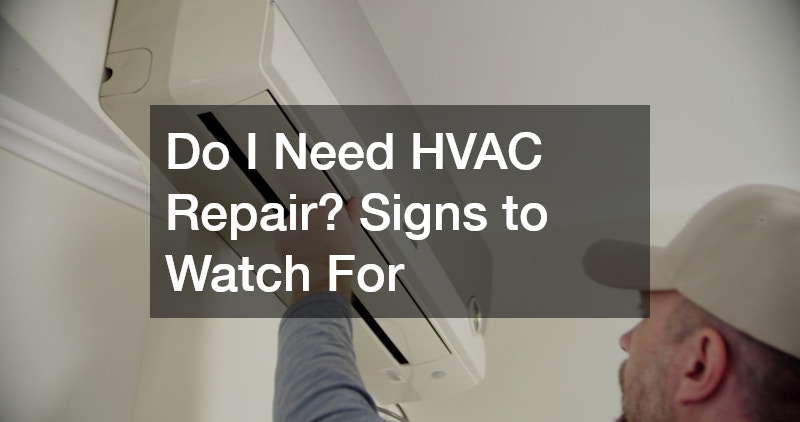
1. What are the common signs my HVAC system needs repair?
One of the most telling signs that your HVAC system may need repair is uneven temperature distribution within your home. If some rooms are too hot while others are too cold, it could indicate a malfunctioning HVAC.
Frequent cycling on and off is another symptom, potentially pointing to issues such as a thermostat problem or a failing component. Unusual noises such as grinding, banging, or squealing can also signify that something is amiss within your HVAC system. Lastly, sudden increases in energy bills often highlight inefficiencies and signal the need for a professional check-up.
Poor airflow is a common indicator that your HVAC system requires attention. Blockages in ductwork or a failing fan can reduce airflow, causing discomfort and stress on the system. Accumulating dust and poorly filtering air are also signs of waning performance, often due to dirty filters or malfunctioning components. In some cases, problems with the refrigerant lines can lead to insufficient cooling or heating, necessitating immediate repair. These issues, if left unaddressed, can compromise your comfort and lead to more extensive damage.
Finally, unpleasant odors or excessive humidity in your home can suggest HVAC problems. A burning smell can indicate a wiring issue, while moldy or musty smells usually point to moisture-related problems. Thoroughly inspecting your system at the first sign of unusual odors is vital to prevent air quality deterioration. Excess humidity suggests that your system is not adequately regulating moisture, which can invite mold growth. Regular maintenance can help identify these issues early and protect the health and safety of your household.
2. How can I troubleshoot my HVAC system at home?
Before calling a professional, there are several steps you can take to troubleshoot your HVAC system. Start by checking the thermostat to ensure it is set to the correct temperature and functioning correctly. Sometimes, thermostat issues can mimic HVAC system faults, so validating its settings can resolve simple problems. Additionally, replace the air filters if they appear dirty, as clogged filters restrict airflow and compromise system efficiency. Ensuring that circuit breakers and power switches are in the correct position can also help identify and solve straightforward electrical issues.
Next, examine the outdoor unit, making sure it is free from debris like leaves or twigs, which can impair its performance. Cleaning the area around the unit can improve air circulation and system efficiency. Check the condenser coils for dirt accumulation, which could hinder the unit’s ability to expel heat efficiently. Vaccuming or lightly hosing off the coils can restore functionality and prevent overheating. It’s also good to ensure all vents and registers are unobstructed to allow air to flow freely throughout your home.
Listening to your system can provide valuable clues to its condition. If you notice unusual sounds, pinpoint the source, as this can help in diagnosing potential problems. For example, rattling may indicate loose components, while hissing might signal a refrigerant leak. Monitoring these auditory cues allows you to identify when a problem might need professional intervention. Keeping track of operational anomalies, such as constant short cycling or difficulty in maintaining temperature, can provide professionals with useful information during servicing. Regular checks and maintenance done by homeowners can preserve HVAC performance and delay the need for major repairs.
3. When is it crucial to call a professional HVAC technician?
There are certain instances where it is essential to seek professional HVAC repair services. If your system is emitting strange or burning smells, it’s a clear indication that you should contact a technician immediately. Electrical issues or failing components often require trained professionals to prevent hazards such as fire or further damage. Additionally, if you’ve attempted troubleshooting without success or are unsure of how to proceed, it is wise to engage a professional to avoid making the situation worse. Technicians have the expertise and tools needed to diagnose and resolve complex HVAC problems safely and efficiently.
If your energy bills have spiked without any change in usage, this might indicate inefficiency that warrants professional evaluation. Professionals can inspect various components to identify issues like leaking ducts or faulty parts that homeowners might overlook. Repairs or reconfigurations done by a certified technician can restore efficiency, saving you from unnecessary long-term costs. Moreover, if your system is over a decade old, regular professional check-ups become crucial to prolong its lifespan. Regular inspections by experts can reveal the wear and tear that could lead to critical failure if left unattended.
Certain situations, such as refrigerant leaks or compressor malfunctions, require immediate professional intervention. Handling refrigerants without proper training and equipment is dangerous and often illegal, emphasizing the need for expert attention. If parts like the compressor fail, they not only affect system efficiency but can also lead to further damage or complete system failure. Persistent issues that do not resolve with basic troubleshooting or new concerns like loud banging require professional diagnosis. Scheduling routine maintenance with a professional can also prevent these critical issues and keep your HVAC in optimal condition.
4. How does preventative maintenance prevent HVAC issues?
Preventative maintenance is key to avoiding costly HVAC repairs and ensuring your system’s longevity. Regular maintenance tasks, like changing filters and cleaning coils, help prevent dirt build-up that can strain the system. Ensuring parts are properly lubricated and components like belts and motors are in good condition enhances operational efficiency. Consistent checks by a professional can identify potential problems before they escalate, allowing for timely interventions. Preventative care helps maintain optimal system performance and reduces the likelihood of unexpected breakdowns, which can be inconvenient and costly.
Preventative maintenance also leads to improved energy efficiency, which can significantly reduce your monthly utility bills. A well-maintained system operates more smoothly, using less energy to achieve the desired heating or cooling levels. This environmental and cost benefit alone is a compelling reason to prioritize regular maintenance. When HVAC systems work efficiently, they place less stress on components, which can decrease the likelihood of wear and tear. Ensuring that your system is inspected annually by a certified professional can help you enjoy these savings while extending the lifespan of your HVAC system.
Proactive maintenance further enhances indoor air quality, a crucial factor for health, particularly for those with allergies or respiratory conditions. Regular filter replacements and duct cleaning remove allergens and pathogens from the air, which helps maintain a safe and comfortable home environment. Detecting and resolving minor issues like moisture build-up can prevent mold, which has serious health implications if not addressed. Maintained systems can effectively manage humidity levels and provide consistent airflow, contributing to overall comfort and health. Incorporating preventative maintenance into your home care routine is an investment in both your family’s well-being and your system’s efficiency.
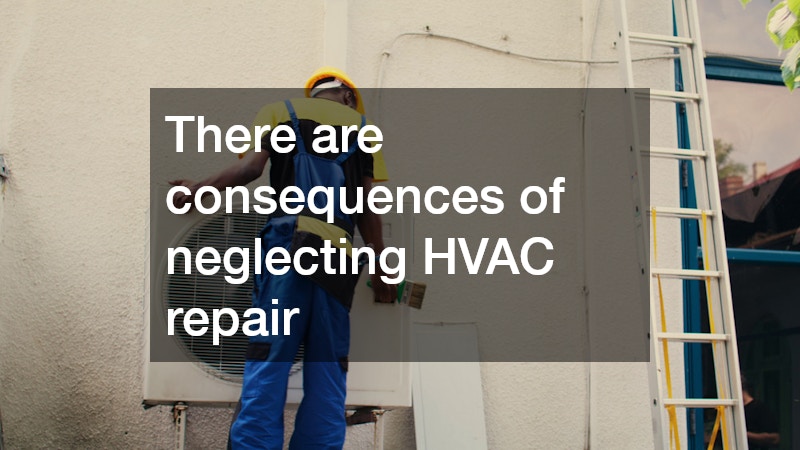
5. What are the consequences of neglecting HVAC repair?
Neglecting HVAC repairs can lead to a cascade of issues that affect both comfort and finances. Failing to address minor issues promptly can lead to more significant problems and expensive repairs over time. The inefficiency of a malfunctioning system can result in higher energy bills, as it struggles to maintain the desired temperature. Additionally, neglected systems are at higher risk of breaking down, often leading to unforeseen expenses and potentially requiring a complete system replacement. The financial strain of increased energy use and repair costs underscores the importance of timely intervention.
Compromised air quality is another consequence of neglecting HVAC repairs, which can impact the health of those living in the home. A system that isn’t functioning properly might not filter dust, pollen, and other airborne particles effectively. This can lead to an increase in allergens, exacerbating conditions for sensitive or allergic individuals. Poor air quality also increases the risk of mold growth, which can cause serious respiratory problems if left unchecked. By addressing issues as they arise, you can prevent these negative impacts on health and well-being.
Furthermore, a neglected HVAC system is more likely to suffer from reduced lifespan and frequent breakdowns. The additional stress from operating with damaged components accelerates wear and tear, ultimately shortening the life expectancy. Consistent repairs and maintenance are critical in extending the system’s functionality and avoiding premature replacement. In contrast, neglect results in an unreliable system that could fail during extreme weather conditions, compounding discomfort and inconvenience. Sustainable maintenance practices allow homeowners to achieve long-term savings and maintain a consistently comfortable home environment.
The importance of recognizing the signs of HVAC trouble cannot be overstated. Prompt action, knowledgeable troubleshooting, and proactive engagement with professional services will ensure that your heating and cooling systems function efficiently and last longer, maintaining your home as a comfortable and safe haven. By understanding and acting on the symptoms of HVAC distress, you can mitigate the risk of costly repairs and enhance both the functionality and longevity of your system. Regular preventative care is an investment in your comfort and financial well-being, reducing the likelihood of significant disruptions. Remember, addressing issues early with the guidance of an HVAC professional can safeguard your home’s climate control all year round.