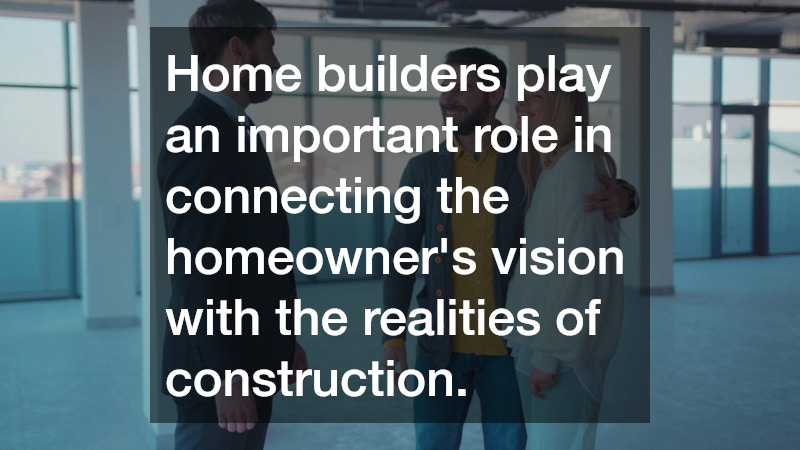
Building a custom home offers an opportunity to create a space that reflects personal preferences, daily routines, and long-term goals. Rather than adapting to an existing floor plan, homeowners can make decisions about the layout, features, materials, and overall design from the beginning. Turning those ideas into an actual home, however, requires careful planning and coordination. Home builders help transform an initial vision into a practical plan that can be constructed safely and efficiently. From early conversations about design preferences to the final stages of construction, their role involves bringing together many details while keeping the overall vision in focus.
Turning Ideas Into a Practical Design
Most custom homes begin with ideas rather than a complete set of plans. A homeowner may know how many bedrooms are needed, want an open kitchen and living area, or have specific ideas for outdoor living space. Translating those preferences into a workable design requires consideration of the property’s characteristics, available space, building requirements, and the way different areas of the home will connect.
The planning stage provides an opportunity to organize those ideas into a cohesive concept. Room sizes, traffic patterns, storage needs, windows, doors, and other details can be evaluated before construction begins. This process can also help identify potential conflicts between design preferences and practical considerations.
Selecting Features and Materials
Once the overall design takes shape, attention can turn toward the features and materials that give the home its character. Flooring, cabinetry, countertops, lighting, fixtures, doors, windows, paint, and exterior finishes all contribute to the finished appearance.
Choosing these elements individually can become overwhelming, particularly when there are numerous styles and materials available. Establishing a consistent design direction can make the process easier. A homeowner might prefer a modern, traditional, rustic, or transitional aesthetic, for example, and use that preference as a guide when evaluating individual selections.
Function is equally important. Materials should be appropriate for the areas where they will be used, and features should provide value beyond their appearance. Durable flooring may be especially important in high-traffic areas, while well-planned cabinetry can improve organization throughout the kitchen. Decisions made during this stage can influence both the appearance and everyday usability of the finished home.
Experienced home builders can help coordinate these choices with the construction plans. Making selections at the appropriate stage can also reduce delays and prevent changes from creating complications later in the project.
Managing Construction From Plan to Reality
A custom home involves many moving parts. Construction must progress through multiple stages, with different trades and tasks coordinated along the way. The foundation, framing, roofing, plumbing, electrical work, insulation, drywall, flooring, cabinetry, and finishing work all contribute to the completed structure.
The construction process is where the original vision begins taking physical form. Plans and specifications provide the framework, while careful coordination helps ensure that individual components work together as intended. Regular communication can also help homeowners understand what is happening at different points in the project and address questions as they arise.
Construction conditions can sometimes require adjustments. Materials may have availability issues, site conditions may differ from expectations, or a design detail may need to be reconsidered based on practical requirements. Having an organized process for reviewing changes helps keep decisions aligned with the larger goals of the project.
Attention to detail throughout construction can make a noticeable difference in the final result. Measurements, installation details, finishes, and connections all contribute to how the home looks and functions once complete. A strong construction process keeps the original vision in mind while addressing the practical realities of building.
Creating a Home That Fits Your Lifestyle
The most meaningful custom homes are designed around the people who will live in them. Personalization does not necessarily mean adding the most features possible. Instead, it means making thoughtful decisions about what will provide the greatest value and comfort over time.
A custom home can accommodate current routines while allowing for future changes. Flexible spaces can serve different purposes as needs evolve, while thoughtful storage can help keep everyday areas organized. Outdoor spaces can also be designed around how homeowners prefer to relax, entertain, or spend time with family.
Working with the right construction team can make it easier to maintain that personal focus throughout the project. Home builders can coordinate the various stages of construction while keeping the selected plans and features connected to the homeowner’s original goals.
Turning a custom home vision into reality requires more than choosing a floor plan and selecting finishes. It involves thoughtful planning, practical design decisions, careful material selection, coordinated construction, and attention to the details that make a house feel personal. With the right approach, individual ideas can become a cohesive home designed around specific preferences and everyday needs. From the first concept to the final finishing touches, home builders play an important role in connecting the homeowner’s vision with the realities of construction.