Ensuring the longevity and efficiency of your water well is crucial. Proper maintenance can prevent costly repairs and assure safe drinking water. This article explores frequent concerns and tips regarding water well maintenance. By understanding common practices and warning signs, homeowners can make informed decisions about their water wells.
This comprehensive guide aims to equip you with the knowledge to properly maintain your water well.
How Often Should Water Wells Be Inspected?
Frequency of Inspections
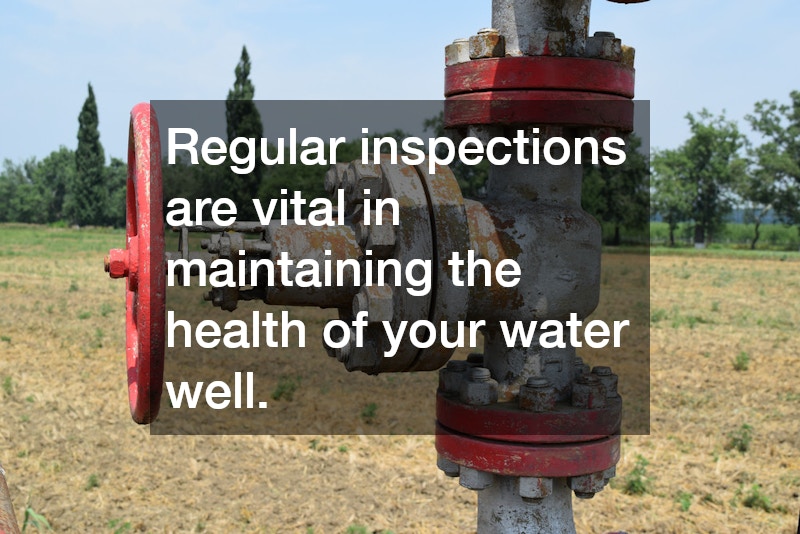
Regular inspections are vital in maintaining the health of your water well. Without routine check-ups, small issues can escalate into major problems, potentially affecting the water quality. Experts generally recommend annual inspections to ensure that all components are functioning correctly. An inspection can detect issues such as leaks or mechanical failures that might otherwise go unnoticed. Prioritizing these inspections can save you time, money, and future headaches.
The wealth of benefits associated with regular inspections cannot be overstated. They serve as an opportunity to identify and rectify issues before they manifest into larger problems. Faulty wiring, mechanical parts deterioration, and minor leaks are common discoveries during these checks. An annual water testing schedule is a best practice that correlates closely with regular well inspections. Consistent care and maintenance ensure a fresh, reliable water supply and optimize the longevity of your water system.
Aside from scheduled inspections, certain factors can increase the frequency. These include extreme weather conditions, known geological changes in your area, or changes to your water supply quality. Some experts also suggest that following significant construction activities nearby, additional inspections may be warranted. Homeowners must remain alert to environmental changes as they can affect the structural integrity of the well. This proactive approach safeguards both the well system and the home’s water quality.
Signs Your Well Needs Inspection
It’s critical to be aware of the signs that suggest it may be time to inspect your water well. Unusual tastes or odors in the water can indicate contamination issues. Fluctuations in water pressure should not be ignored as they might imply obstructions or pump problems. You might also notice changes in water clarity, which could point to silt, rust, or bacterial infiltration. Timely inspection upon noticing these signs ensures you address potential problems before they escalate.
Scheduling an inspection when you notice signs of trouble can lead to early detection of issues. Bubbling air from faucets often signals pump difficulties or low water levels due to seasonal fluctuations or increased usage. Sudden increases in energy bills might be a cause for concern, possibly indicating that the pump is running more frequently due to inefficiencies. Regular listening for sounds like grinding or humming can provide early clues about mechanical wear and tear. Always act decisively when symptoms arise, as time is of the essence in preserving your water well.
It’s essential always to be observant and mindful of any alterations in your water system. Alertness to these symptoms can prevent major disruptions and save you from costly repairs. Checking appliances and fixtures that utilize well water for any signs of malfunction can also provide additional insight. Increased sediment buildup in household water filters may point to well issues. Being proactive allows you to ensure a safe and sustainable water supply for your home.
What Are Common Water Well Maintenance Practices?
Routine Water Testing
Regular water testing is a critical component of maintaining a secure water supply. Testing can detect contaminants that are harmful to health, like bacteria, nitrates, and heavy metals. Periodic testing helps establish the baseline quality of your water and track changes over time. Professionals recommend annual testing for bacterial contamination and every three to five years for additional tests targeting other contaminants. This practice ensures your water remains safe and meets health standards.
Water specialists execute these tests using precise instruments and methodologies. The results provide insight into the well’s condition and predict possible future issues. With the rise of at-home testing kits, homeowners have more convenience but must still verify test validity. Adhering to a regular testing schedule enhances your confidence in your water supply’s health. Documenting results over time can also help identify trends and develop better maintenance strategies.
Conducting regular water assessments can reveal slight changes in water quality that might indicate well issues or environmental impacts. For example, after major rainfall, water testing might reveal increased nitrate levels due to agricultural runoff. Because water sentiment can affect both health and household appliances, understanding your water’s specific composition becomes paramount. Knowledge is empowering in assessing your well’s operational and water quality status. Regular tests are invaluable in delivering peace of mind regarding your water quality.
Pump Maintenance Tips
Pump maintenance is integral to sustaining a well-functioning water supply system. The well pump is the heart of the system, responsible for extracting and transferring water to your home. Regular inspections can catch early signs of wear and tear, preventing significant pump failures. Scheduled maintenance can extend the lifespan of your pump and optimize its performance. Addressing small issues proactively reduces the risk of larger, costlier problems down the line.
Routine pump checks include evaluating its operational efficiency and listening for unusual noises, which might signal complications. Ensuring the pump is properly submerged helps maintain its effective functioning. It’s crucial to assess the electrical components and wiring to prevent malfunctions. Over time, these components may degrade due to usage or environmental factors. By maintaining vigilance over your pump’s status, you ensure a continuous water supply and system durability.
Understanding the pump’s operation allows you to make informed decisions when issues arise. For optimum care, cleaning filters and keeping the area around the pump dry and debris-free is essential. Schedule professional evaluations for more intricate maintenance needs or if you notice regular issues. This ensures proper diagnostics and solutions, keeping your system running efficiently. Vigilance and regular care contribute to safeguarding this vital aspect of your water well.
Proper maintenance of water wells is an ongoing priority for homeowners relying on well water. Regular inspections, understanding common maintenance practices, and recognizing warning signs are pivotal in ensuring your well functions correctly and sustainably. Addressing detected issues proactively through a structured maintenance routine reduces risks and sustains water quality. By merging professional insight with diligent homeowner practices, long-term reliability is more achievable. Equip yourself with the knowledge necessary for effective water well stewardship to safeguard your water supply for years to come.